
Mosquitoes can quickly turn a relaxing evening outdoors into an uncomfortable experience. Beyond the itchy bites they leave behind, mosquitoes are also known to carry diseases, making effective mosquito management essential for homeowners. If you are wondering, what is the best mosquito repellent for yard spaces, the answer depends on factors such as the size of your property, the severity of the infestation, and whether you prefer natural or chemical-based solutions.
A high-quality mosquito repellent for yard areas should not only drive mosquitoes away but also reduce breeding sites and provide long-lasting protection. From professional treatments to DIY solutions, there are several effective options available.
Why Is Mosquito Control Important?
Mosquitoes thrive in warm, humid environments and breed in standing water. Once established, their populations can grow rapidly. Effective yard protection helps:
- Reduce mosquito bites and irritation.
- Lower the risk of mosquito-borne illnesses.
- Improve outdoor comfort for family gatherings.
- Protect pets and children while they enjoy the yard.
Investing in the right mosquito repellent for yard applications can help create a safer and more enjoyable outdoor environment.
Types of Mosquito Repellents for Yards
There are several methods available to keep mosquitoes under control. Understanding each option will help you determine the most suitable solution for your property.
1. Mosquito Spray Treatments
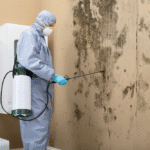
One of the most effective forms of mosquito repellent for yard use is professional mosquito spraying. These treatments target adult mosquitoes resting in shrubs, tall grass, and shaded areas.
Professional barrier sprays typically:
- Provide protection for several weeks.
- Eliminate existing mosquito populations.
- Reduce mosquito breeding activity.
- Cover large residential properties efficiently.
Many homeowners rely on experienced pest control companies to apply these treatments safely and effectively, especially during peak mosquito season.
2. Natural and Plant-Based Repellents
Homeowners seeking environmentally friendly alternatives often choose natural mosquito deterrents. Common options include essential oils such as citronella, peppermint, eucalyptus, and lemongrass.
Popular natural repellents include:
- Citronella candles.
- Essential oil yard sprays.
- Mosquito-repelling plants.
- Cedarwood-based products.
Those interested in environmentally responsible solutions may also consider organic pest control methods that minimize chemical exposure while helping reduce mosquito activity.
3. Mosquito Misting Systems
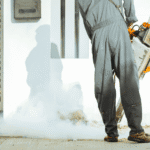
Automatic misting systems are becoming increasingly popular for long-term mosquito management. These systems release a fine insecticide mist at scheduled intervals around the perimeter of the property.
Benefits include:
- Consistent mosquito reduction.
- Automated operation.
- Coverage for larger outdoor areas.
- Reduced need for manual application.
Although installation costs can be higher, misting systems provide ongoing mosquito repellent for yard protection throughout the mosquito season.
What Makes the Best Mosquito Repellent for Yard Areas?
The ideal mosquito repellent for yard protection should possess several important characteristics.
Long-Lasting Effectiveness
Products that continue working for several weeks reduce the need for frequent reapplication. Barrier sprays and residual insecticides are especially effective.
Safety for Families and Pets
Always select products approved for residential use and follow label instructions carefully. Many modern formulations are designed to be safe once dry.
Coverage Area
Small yards may only require portable repellents or foggers, while larger properties often benefit from professional mosquito control services.
Resistance to Weather Conditions
Rain and irrigation can reduce the effectiveness of some products. Choosing weather-resistant treatments helps maintain protection longer.
Yard Maintenance Tips to Reduce Mosquitoes
Even the most effective mosquito repellent for yard solutions work best when combined with proper yard maintenance. Mosquitoes need water to reproduce, so eliminating breeding sites is essential.
Consider the following preventive measures:
Remove Standing Water
Inspect your property regularly and empty:
- Birdbaths.
- Flower pot trays.
- Children’s toys.
- Buckets and containers.
- Clogged gutters.
Standing water as small as a bottle cap can support mosquito breeding.
Keep Grass and Vegetation Trimmed
Mosquitoes often hide in shaded, damp areas during the day. Regular lawn maintenance reduces harborage sites.
Trim:
- Tall grass.
- Overgrown shrubs.
- Dense vegetation.
- Low-hanging branches.
Maintain Proper Drainage
Poor drainage can create puddles that attract mosquitoes. Ensure water flows away from your home’s foundation and repair low spots in the landscape.
Natural Plants That Repel Mosquitoes
Several plants may help discourage mosquitoes from gathering in outdoor spaces. While plants alone are not a complete mosquito repellent for yard solution, they can complement other control methods.
Popular mosquito-repelling plants include:
- Citronella grass.
- Lavender.
- Marigolds.
- Basil.
- Rosemary.
- Catnip.
Planting these around patios, decks, and seating areas may help reduce mosquito activity naturally.
DIY vs. Professional Mosquito Control
Homeowners often debate whether to manage mosquitoes themselves or hire professionals.
DIY Mosquito Control
DIY methods can be cost-effective for minor mosquito problems. Common approaches include:
- Yard foggers.
- Mosquito traps.
- Citronella products.
- Granular larvicides.
However, DIY methods may require frequent application and may not fully eliminate heavy infestations.
Interestingly, many of the principles used for mosquito reduction are similar to those used when selecting effective mouse traps, where proper placement and ongoing monitoring significantly improve results.
Professional Mosquito Services
Professional mosquito specialists can identify breeding sites, assess infestation levels, and implement targeted treatment programs.
Professional services often include:
- Property inspections.
- Larvicide applications.
- Barrier treatments.
- Ongoing monitoring.
- Seasonal maintenance programs.
Commercial property owners, apartment complexes, and office facilities often rely on commercial pest control programs to maintain mosquito-free outdoor environments for employees and visitors.
Can Mosquito Prevention Help with Other Pest Problems?
Absolutely. Many pest prevention practices overlap. Eliminating moisture issues, maintaining landscaping, and sealing entry points can reduce multiple pest populations.
For example, excess moisture not only attracts mosquitoes but may also contribute to termite activity. Homeowners researching ‘how to kill termites’ naturally often discover that moisture management is one of the most effective long-term prevention strategies.
Integrated pest management practices can simultaneously reduce mosquitoes, rodents, termites, and other nuisance pests.
Final Thoughts
So, what is the best mosquito repellent for yard protection? The answer often involves a combination of methods rather than relying on a single product. Professional barrier sprays, automatic misting systems, natural repellents, and proper yard maintenance all contribute to effective mosquito control.
For long-lasting results, homeowners should combine a reliable mosquito repellent for yard treatment with routine property maintenance and preventative strategies. By taking a proactive approach, you can enjoy your outdoor spaces with fewer mosquitoes and greater peace of mind throughout the year.