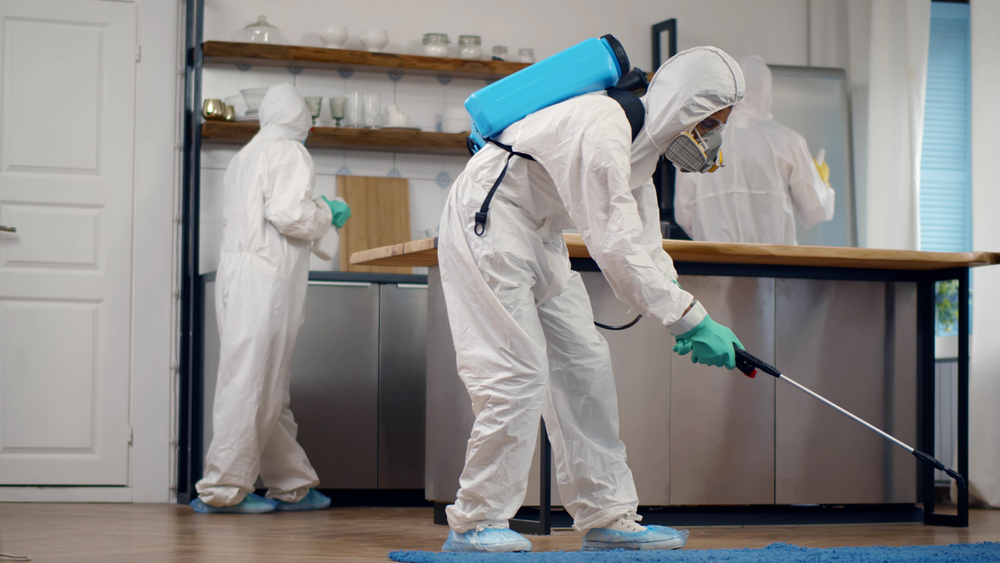
Commercial pest control is a structured, professional, and highly specialized approach to managing and eliminating pest problems in business environments such as offices, warehouses, restaurants, retail stores, schools, hospitals, and industrial facilities. Unlike residential pest control, which focuses on individual households, commercial pest control is designed to handle larger spaces, stricter hygiene requirements, and higher risks associated with public safety and brand reputation.
In a growing business hub like Aurora, IL, maintaining pest-free commercial spaces is not optional—it is essential. Even a minor pest issue can escalate into a serious operational, legal, and financial problem. That is why businesses increasingly rely on professional commercial pest control solutions to maintain long-term safety and compliance.
This detailed guide explores everything you need to know about commercial pest control, including how it works, why it matters, common pests, treatment methods, and preventive strategies.
Understanding Commercial Pest Control in Detail
Commercial pest control is more than just eliminating pests when they appear. It is a long-term pest management system that combines prevention, monitoring, treatment, and documentation to ensure continuous protection.
In commercial environments, pest problems are more complex because:
- There is higher foot traffic
- Food and waste exposure is common
- Storage areas provide nesting opportunities
- Multiple entry points exist in large buildings
Because of these factors, pest control in businesses requires structured planning rather than reactive treatments.
A key component of modern pest control services is customization. Every business receives a tailored plan depending on its industry, building structure, and pest risk level.
For example, a food processing plant will require stricter hygiene monitoring compared to an office building, while a warehouse may need more rodent-proofing strategies.
Why Commercial Pest Control Is Critical for Businesses
Pest control in commercial spaces is directly linked to business success, safety, and legal compliance. Ignoring pest issues can lead to severe consequences that go far beyond inconvenience.
Protecting Business Reputation
A single pest sighting can damage years of brand building. Customers expect clean and safe environments, especially in restaurants, hotels, and retail spaces. Online reviews and social media amplify negative experiences quickly, making pest control a reputational necessity.
Ensuring Health and Safety Standards
Pests such as cockroaches, rodents, and ants carry bacteria that can contaminate food, surfaces, and equipment. This creates serious health risks for employees and customers.
For instance, effective ant control in commercial kitchens is crucial because ants can easily contaminate food preparation areas and storage units.
Legal and Regulatory Compliance
Many industries must comply with strict hygiene regulations. Regular inspections and pest prevention programs ensure businesses remain compliant with health authorities.
Preventing Property Damage
Certain pests can silently damage structures over time. Termites are among the most destructive, often going unnoticed until significant damage has occurred. In such cases, professional termite control becomes essential for long-term protection.
How Commercial Pest Control Works Step by Step
Commercial pest control follows a systematic process designed to ensure complete pest elimination and prevention.
1. Initial Inspection and Site Evaluation
Technicians begin with a detailed inspection of the property. This includes identifying pest activity, moisture areas, food sources, and structural vulnerabilities.
The goal is to understand how and why pests are entering the property.
2. Pest Identification and Risk Assessment
Different pests require different strategies. For example, rodent infestations require sealing entry points, while insect infestations may require baiting or chemical treatments.
In some cases, early detection of issues like Carpenter Ants helps prevent structural damage before it becomes severe.
3. Customized Treatment Plan Development
Once the pests are identified, a tailored plan is created. This plan outlines treatment methods, safety protocols, and follow-up schedules.
The severity of the infestation determines whether standard treatments or advanced methods like fumigation are required.
4. Implementation of Treatment
The pest control team applies targeted treatments while ensuring minimal disruption to business operations. Safety precautions are strictly followed to protect employees and customers.
5. Monitoring and Follow-Up
After treatment, ongoing monitoring ensures pests do not return. Regular inspections are scheduled to maintain a pest-free environment.
Advanced Role of Commercial Pest Control in Modern Business Operations
As businesses continue to expand and operate in more complex environments, pest management has also evolved from simple extermination to a highly strategic operational function. Today, commercial pest control is not just a reactive service but a proactive business strategy that supports health standards, operational efficiency, and brand protection.
Modern commercial facilities are designed with high productivity in mind, but this often creates ideal conditions for pests to thrive. Storage rooms, food handling areas, ventilation systems, and waste disposal zones can all become entry or breeding points if not properly managed. This makes structured pest prevention a critical part of facility management.
In industries such as hospitality, logistics, healthcare, and retail, pest control is directly tied to customer trust and regulatory approval. Businesses are now expected to maintain documented pest management programs that demonstrate ongoing compliance rather than occasional treatment.
The Shift from Reactive to Preventive Pest Management
Traditionally, pest control was only considered when an infestation became visible. However, this approach often leads to higher costs, greater damage, and operational disruption. Modern commercial pest control has shifted toward prevention-first strategies.
Preventive pest management focuses on identifying risk factors before pests become a problem. This includes:
- Monitoring high-risk zones within facilities
- Identifying structural vulnerabilities
- Tracking seasonal pest activity patterns
- Implementing sanitation protocols to remove attractants
Instead of waiting for infestations to grow, businesses now invest in scheduled inspections and continuous monitoring systems. This shift significantly reduces long-term pest-related risks and ensures smoother operations.
Preventive pest control is especially important in large facilities where pests can spread quickly across multiple departments before being detected.
Importance of Risk Assessment in Commercial Pest Control
One of the most critical aspects of effective commercial pest control is risk assessment. Every commercial property has unique vulnerabilities depending on its design, location, and usage.
For example:
- Food establishments have high risks due to organic waste
- Warehouses are prone to rodent infestations due to storage conditions
- Office buildings may experience pest entry through HVAC systems
- Healthcare facilities require strict contamination control
A proper risk assessment helps pest control professionals prioritize high-risk areas and allocate resources effectively. It also helps in designing customized treatment schedules that align with business operations.
Risk assessment is not a one-time process. It must be updated regularly as the business grows, renovations occur, or operational processes change. Even small modifications in building structure or storage habits can significantly impact pest behavior.
Common Pests Found in Commercial Spaces
Commercial properties face a wide variety of pest challenges depending on location, industry, and environmental conditions.
Rodents
Rodents are one of the most common and dangerous pests in commercial spaces. They contaminate food supplies, damage electrical wiring, and spread diseases.
Effective Pest Control for Rats is essential for businesses that deal with food storage, logistics, or waste management.
Rodents often enter through small cracks, drains, or loading docks, making prevention a key part of long-term control.
Termites and Structural Pests
Termites are silent destroyers that feed on wood and cellulose materials. They can remain undetected for long periods while causing severe structural damage.
Businesses often require professional Termite Exterminator services when infestations are advanced or widespread.
In commercial buildings, termite damage can affect flooring, furniture, and even structural beams, making early detection critical.
Bed Bugs
Bed bugs are commonly found in hotels, offices with lounge areas, and public seating spaces. They spread quickly through furniture and luggage.
Hotels and hospitality businesses often rely on a bed bug exterminator Aurora service to ensure complete elimination and protect guest satisfaction.
Ants and Invasive Insects
Ant infestations are common in commercial kitchens, cafeterias, and food storage areas. They can quickly multiply and contaminate food supplies.
Professional ant control ensures that entire colonies are eliminated rather than just surface-level pests.
Wasps
Wasps can build nests in roof spaces, parking structures, and outdoor areas, posing risks to employees and customers. Safe Wasp Nest Removal is necessary to prevent aggressive behavior and potential injuries.
Mosquitoes
Outdoor commercial environments such as cafes, resorts, and event venues often struggle with mosquito problems. Effective Mosquito Repellent solutions help maintain comfort and safety for visitors and staff.
Commercial Pest Control Methods and Techniques
Modern pest control uses a combination of advanced techniques depending on the type and severity of infestation.
| Method / Technique | Implementation | Operational Benefit |
| Chemical Targeted Treatment | Applied in controlled doses in infested zones such as kitchens, storage areas, and basements | Rapid elimination of active infestations with minimal disruption to business operations |
| Baiting & Monitoring Systems | Strategic bait stations placed in hidden pest pathways like walls, corners, and drainage areas | Continuous pest suppression and early detection before infestations spread |
| Structural Exclusion | Sealing cracks, entry points, vents, and gaps in building infrastructure | Long-term prevention by blocking pest entry and reducing recurrence risks |
| Heat-Based Eradication | High-temperature treatments used in enclosed environments like storage rooms or furniture zones | Non-chemical elimination of pests at all life stages, especially effective for sensitive environments |
| Integrated Pest Management (IPM) | Combines inspection, sanitation control, monitoring, and minimal chemical use | Sustainable pest prevention system that reduces long-term dependency on pesticides |
Integration of Technology in Modern Pest Control Systems
Technology has transformed how commercial pest control is implemented today. Businesses are now using advanced tools and systems to improve accuracy, monitoring, and response time.
Some of the most commonly used technologies include:
Smart Monitoring Devices
These devices detect pest movement in real-time and send alerts to pest control teams. This allows early intervention before infestations escalate.
Digital Reporting Systems
Businesses now receive detailed reports that track pest activity, treatment history, and prevention measures. This improves transparency and compliance documentation.
Thermal Imaging and Detection Tools
These tools help identify hidden pest nests within walls, ceilings, and flooring without causing structural damage.
Data-Driven Pest Trends
Modern pest control programs analyze historical data to predict seasonal pest behavior and optimize treatment schedules.
The integration of technology ensures that pest management is no longer guesswork but a precise and measurable process.
Commercial Pest Control in High-Risk Industries
Certain industries require more intensive pest management due to their operational nature and regulatory requirements.
| Industry Type | Primary Pest Risks | Business Impact |
| Food Service & Restaurants | Rodents, ants, cockroaches, flies | Health code violations, customer complaints, possible forced shutdowns |
| Hospitality & Hotels | Bed bugs, mosquitoes, cockroaches | Guest dissatisfaction, negative reviews, brand reputation damage |
| Warehousing & Logistics | Rodents, termites, stored-product insects | Inventory damage, financial loss, supply chain disruptions |
| Healthcare Facilities | Rodents, flies, bacteria-carrying insects | Patient safety risks, compliance penalties, operational restrictions |
| Retail & Shopping Centers | Rodents, ants, wasps | Customer trust issues, product contamination risks, reduced foot traffic |
Signs Your Business Needs Commercial Pest Control
Early detection is key to avoiding large-scale infestations. Common warning signs include:
- Droppings or urine stains in hidden areas
- Chewed packaging or electrical wiring
- Unpleasant odors in storage or kitchen areas
- Visible pest activity during working hours
- Damaged wooden structures or furniture
For example, structural damage in wooden beams may indicate termite activity requiring immediate termite treatment Aurora services.
Benefits of Commercial Pest Control for Businesses
Investing in professional pest control provides long-term advantages that go beyond pest elimination.
Long-Term Cost Efficiency
Preventing infestations is significantly cheaper than repairing damage caused by pests.
Improved Workplace Safety
A pest-free environment ensures employees work in safe and hygienic conditions.
Stronger Brand Image
Clean and pest-free facilities improve customer trust and satisfaction.
Regulatory Compliance
Regular pest management ensures businesses meet health and safety regulations.
Operational Continuity
Pest-free environments prevent unexpected shutdowns and disruptions.
Commercial Pest Control in Aurora: Local Business Perspective
In Aurora, IL, seasonal changes significantly affect pest activity. Warm weather increases insect populations, while colder months drive rodents indoors.
Businesses in the area benefit greatly from professional commercial pest control programs that adapt to these seasonal changes.
For example, winter months often require stronger Rodent Control strategies as rats and mice seek warmth inside commercial buildings.
Similarly, summer months require increased monitoring for insects, ants, and mosquitoes due to higher breeding activity.
Environmental Responsibility in Pest Management
Modern businesses are increasingly focused on sustainability, and pest control practices have also evolved to support environmental responsibility. Eco-friendly pest management is now a key part of commercial pest control strategies.
This includes:
- Reduced use of harsh chemicals
- Targeted application instead of broad spraying
- Use of biodegradable pest control solutions
- Emphasis on prevention rather than elimination
Sustainable pest control methods help businesses maintain compliance with environmental regulations while ensuring the safety of employees and customers.
Eco-conscious pest management also improves brand image, as customers increasingly prefer businesses that prioritize environmental responsibility.
Preventive Strategies for Businesses
While professional pest control is essential, businesses can also adopt preventive measures to reduce pest risks.
- Maintain cleanliness in all operational areas
- Store food in sealed and secure containers
- Dispose of waste regularly and properly
- Repair leaks and eliminate moisture buildup
- Conduct routine pest inspections
These steps significantly reduce infestation risks when combined with professional treatments.
Final Conclusion
Commercial pest control is an essential service for businesses that want to maintain safety, hygiene, and operational efficiency. It is not just about eliminating pests but about building a long-term protection system that safeguards people, property, and reputation.
From rodents and termites to ants, bed bugs, wasps, and mosquitoes, commercial spaces face a wide range of pest challenges. That is why professional solutions such as commercial pest control, combined with specialized services like Rodent Control, termite control, and targeted treatments for different pests, are critical for long-term success.
By investing in proactive pest management strategies and working with experts, businesses in Aurora can ensure a clean, compliant, and pest-free environment that supports growth and customer trust.