Rats are one of the most persistent and destructive pests that can invade your home or business. They multiply quickly, contaminate food, damage property, and pose serious health risks. If you’re dealing with an infestation, understanding the best pest control for rats is essential to eliminate them effectively and prevent them from coming back.
In this guide, we’ll explore the most effective rat control methods, how they work, and why combining multiple strategies is the best approach for long-term results.
Why Rat Infestations Are a Serious Problem
Rats are not just a nuisance—they are dangerous. They can spread diseases such as leptospirosis and salmonella, chew through wires causing fire hazards, and contaminate surfaces with droppings and urine. Because of their adaptability, rats can survive in a wide range of environments, making pest control for rats more challenging than dealing with other pests.
Once rats enter your property, they often build nests in hidden areas like walls, basements, attics, and crawl spaces. Without proper intervention, the infestation can grow rapidly.
Signs You Need Pest Control for Rats
Before choosing the best solution, it’s important to identify whether you have a rat problem. Common signs include:
- Scratching or scurrying noises in walls or ceilings
- Droppings near food sources or hidden corners
- Gnaw marks on furniture, wires, or packaging
- Unpleasant, musky odors
- Grease marks along walls or baseboards
If you notice any of these signs, it’s time to act quickly with effective pest control for rats solutions.
What Is the Best Pest Control for Rats?
There isn’t a single “one-size-fits-all” solution. The most effective pest control for rats involves a combination of methods tailored to the severity of the infestation. Below are the most reliable approaches used by professionals.
1. Trapping Methods
Trapping is one of the most common and effective ways to control rats, especially for smaller infestations.
Snap traps are widely used because they provide quick results. Electronic traps are another modern option that delivers a humane and instant kill. Live traps can also be used if you prefer to relocate the rats, although this requires careful handling.
Traps should be placed in high-activity areas such as along walls, behind appliances, and near entry points. While trapping can reduce the population, it works best when combined with other pest control for rats strategies.
2. Baiting and Rodenticides
Bait stations containing rodenticides are highly effective for larger infestations. These poisons attract rats and eliminate them after consumption. However, they must be used carefully to avoid risks to pets and children.
Professional pest control companies often use tamper-resistant bait stations and strategically place them to maximize effectiveness. This method is a key component of advanced Rat Pest Control, especially in severe cases.
3. Sealing Entry Points (Exclusion)
One of the most important steps in pest control for rats is preventing them from entering your property in the first place. Rats can squeeze through openings as small as a coin, making homes vulnerable to repeated infestations.
Key exclusion techniques include:
- Sealing cracks and holes in walls and foundations
- Installing door sweeps and weather stripping
- Covering vents and drains with mesh
- Repairing damaged roofing or siding
Without proper exclusion, even the best treatments will only provide temporary relief.
4. Sanitation and Prevention
Rats are attracted to food, water, and shelter. Eliminating these sources is essential for long-term control.
Maintaining cleanliness can significantly reduce the chances of infestation. This includes proper food storage, regular garbage disposal, and keeping outdoor areas tidy. Removing clutter inside and outside your property also reduces hiding spots.
Sanitation is often overlooked, but it plays a critical role in successful pest control for rats.
5. Professional Rat Extermination Services
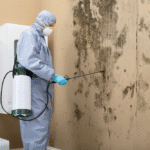
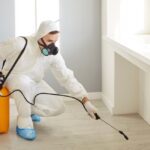
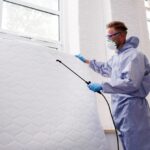
While DIY methods can help in minor cases, severe infestations require expert intervention. Hiring a professional Rat Exterminator ensures a comprehensive approach that targets the root of the problem.
Professionals conduct detailed inspections, identify nesting areas, and apply advanced treatments that are not available to the general public. They also provide follow-up visits to ensure the infestation is fully eliminated.
If you’re dealing with recurring issues, investing in professional services is often the most reliable option.
6. Fumigation for Severe Infestations
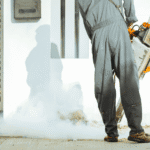
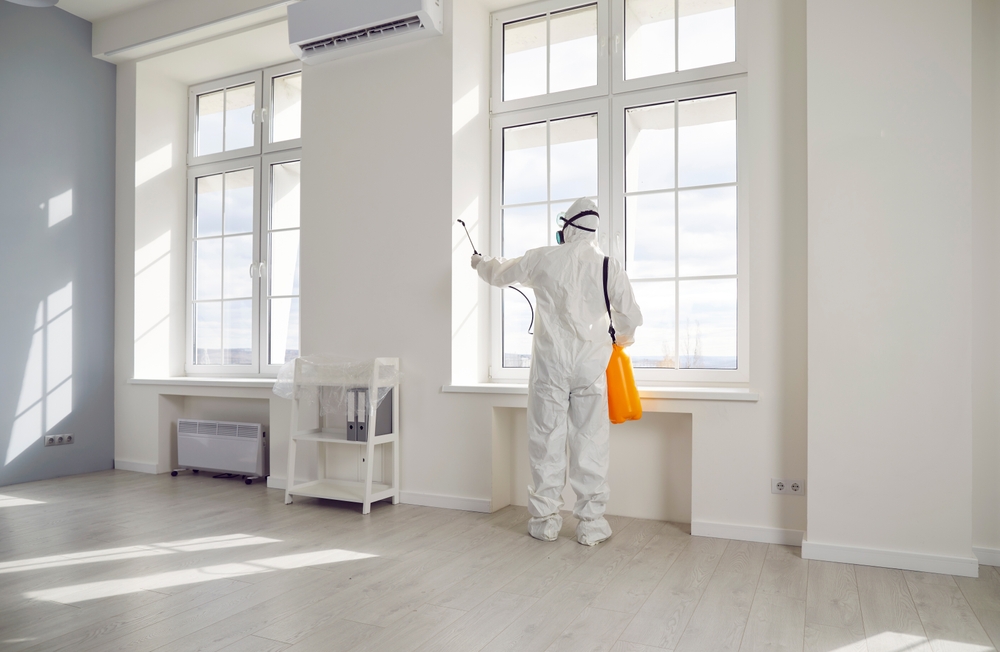
In extreme cases, especially when rats have spread throughout a structure, Fumigation services may be necessary. This method involves using specialized treatments that penetrate deep into hidden spaces, ensuring complete eradication.
Fumigation is typically used as a last resort but is highly effective for large-scale infestations where other methods have failed. It’s best handled by experienced professionals to ensure safety and effectiveness.
Why a Combined Approach Works Best
The most effective pest control for rats doesn’t rely on just one method. Instead, it combines multiple strategies to address the infestation from every angle.
For example, trapping removes existing rats, baiting reduces the population, exclusion prevents new entry, and sanitation eliminates attractants. When used together, these methods provide long-lasting protection.
This integrated approach is what sets professional services apart and ensures better results compared to DIY solutions.
How to Choose the Right Pest Control Service
When selecting a pest control provider, it’s important to choose a company with experience, proper licensing, and a proven track record. Look for services that offer customized treatment plans rather than generic solutions.
A trusted provider like Pest Control Aurora IL will assess your specific situation and recommend the most effective pest control for rats based on your needs. They will also prioritize eco-friendly and safe treatments to protect your family and pets.
Preventing Future Rat Infestations
Once you’ve eliminated rats from your property, prevention becomes the next priority. Regular inspections, proper maintenance, and ongoing monitoring can help keep your home rodent-free.
Simple habits like sealing food containers, fixing leaks, and keeping your surroundings clean can make a big difference. Scheduling routine pest control services can also provide peace of mind and early detection of potential issues.
Final Thoughts
So, what is the best pest control for rats? The answer lies in a comprehensive strategy that combines trapping, baiting, exclusion, sanitation, and professional expertise when needed.
Rats are resilient pests, but with the right approach, they can be effectively eliminated and prevented from returning. Whether you’re dealing with a minor issue or a severe infestation, taking prompt action is key to protecting your home and health.
If you’re unsure where to start, consulting experts and exploring proven Rat Pest Control methods can help you regain control of your space quickly and safely.