Ants may be small but if you don’t look for ant control techniques, they can quickly turn into a major nuisance when they invade your home or business. From contaminating food to creating unsightly trails across your kitchen counters, these persistent pests require a strategic approach to eliminate them effectively. If you’re wondering what the best control for ants is, the answer lies in combining prevention, targeted treatment, and professional ant control solutions.
Understanding Why Ants Invade Your Space
Before choosing the best ant control method, it’s important to understand why ants are attracted to your property in the first place. Ants typically enter homes in search of food, water, and shelter. Even the smallest crumbs or spills can attract entire colonies.
Common causes of ant infestations include:
- Food residue on countertops, floors, or sinks
- Unsealed food containers
- Moisture from leaks or damp areas
- Cracks and gaps in walls, windows, or doors
Different species behave differently. For example, Carpenter Ants can cause structural damage by nesting in wood, making them more than just a nuisance. Addressing the root cause is the first step toward effective ant control.
The Best Ant Control Methods
There is no one-size-fits-all solution when it comes to ants. The best ant control strategy combines multiple methods for long-lasting results.
1. Keep Your Home Clean and Unattractive to Ants
Prevention is always better than cure. Maintaining cleanliness is one of the simplest and most effective ant control techniques.
- Wipe down surfaces regularly
- Sweep and vacuum floors daily
- Store food in airtight containers
- Take out garbage frequently
By removing food sources, you make your home less appealing to ants and reduce the chances of infestation.
2. Seal Entry Points
Ants can enter through the tiniest cracks and gaps. Sealing these entry points is crucial for effective ant control.
- Inspect doors and windows for gaps
- Seal cracks in walls and foundations
- Fix damaged screens
- Use weather stripping where needed
Blocking entry points prevents ants from returning once they’ve been eliminated.
3. Use Ant Baits for Long-Term Results
Ant baits are one of the most effective solutions for eliminating entire colonies. Unlike sprays that kill ants on contact, baits work by targeting the colony at its source.
Worker ants carry the bait back to the nest, spreading it to other ants, including the queen. This method ensures complete colony elimination and is a highly recommended ant control strategy.
4. Natural Remedies for Mild Infestations
For minor infestations, natural remedies can help manage ants without harsh chemicals.
- Vinegar solutions disrupt scent trails
- Lemon juice acts as a natural repellent
- Diatomaceous earth can dehydrate ants
While these methods can be helpful, they may not be sufficient for larger infestations, where professional ant control becomes necessary.
5. Professional Ant Control Services
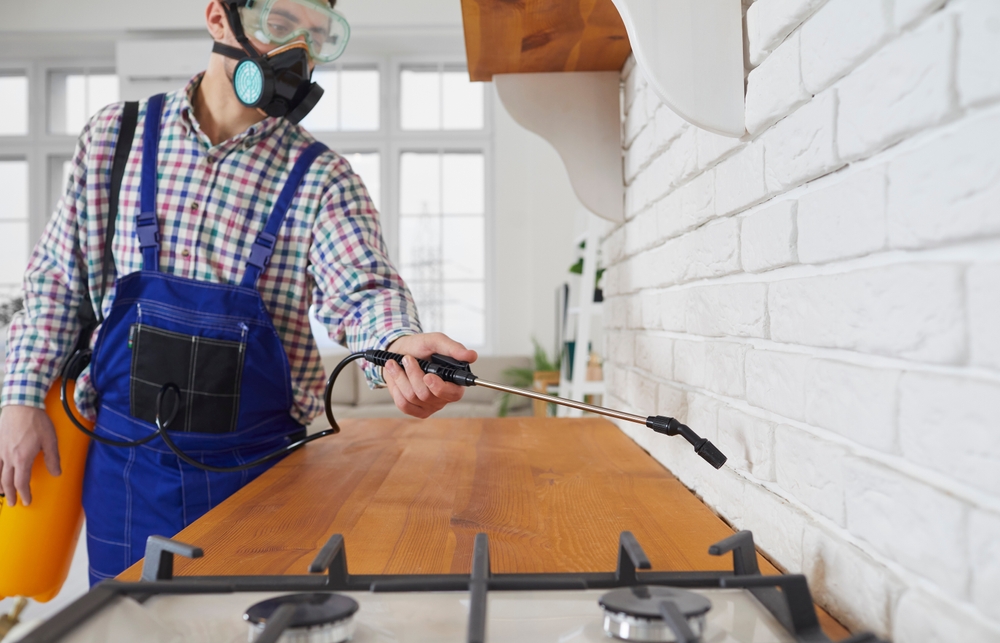
When DIY methods fail or the infestation becomes severe, hiring professionals is the best solution. Experienced technicians understand ant behavior, species differences, and the most effective treatment methods.
Professional pest control companies offer:
- Thorough inspections
- Customized treatment plans
- Safe and eco-friendly solutions
- Long-term prevention strategies
If you’re dealing with persistent infestations, consulting an Ant Exterminator can save you time, effort, and frustration.
When Is Fumigation Necessary?
In rare and severe cases, standard treatments may not be enough to eliminate an infestation. This is where Fumigation comes into play.
Fumigation is typically used when:
- Ant colonies are deeply embedded within structures
- Infestations are widespread and difficult to access
- Other treatment methods have failed
While not always required for ants, it can be an effective last resort for complete eradication in extreme situations.
Signs You Need Immediate Ant Control
Recognizing the early signs of an infestation can help you act quickly and prevent the problem from escalating.
- Visible ant trails inside your home
- Small piles of dirt or wood shavings
- Rustling sounds within walls (common with Carpenter Ants)
- Frequent sightings of ants in kitchens or bathrooms
If you notice these signs, it’s time to implement a reliable ant control plan.
Why DIY Ant Control Sometimes Fails
Many homeowners rely on over-the-counter sprays and quick fixes, but these often provide only temporary relief. The main reason DIY methods fail is that they don’t address the root of the problem—the colony.
Surface treatments may kill visible ants, but the queen and the rest of the colony continue to thrive. Effective ant control requires a comprehensive approach that targets the entire colony, not just the ants you see.
Long-Term Ant Prevention Tips
Keeping ants away for good requires consistent effort and preventive measures.
- Fix leaks and eliminate moisture sources
- Keep outdoor areas clean and free of debris
- Trim plants and trees away from your home
- Store pet food properly
- Schedule regular inspections
By maintaining these habits, you can significantly reduce the likelihood of future infestations and ensure effective ant control over time.
The Importance of Choosing the Right Approach
The best ant control method depends on the severity of the infestation, the type of ants, and the structure of your property. While minor problems can often be managed with cleaning and baits, larger infestations require professional expertise.
A tailored approach ensures:
- Complete elimination of the colony
- Reduced risk of recurrence
- Safe treatment for your family and pets
- Long-lasting protection
Final Thoughts
So, what is the best control for ants? The answer lies in a combination of prevention, targeted treatments, and professional assistance when needed. From maintaining cleanliness and sealing entry points to using baits and seeking expert help, each step plays a crucial role in effective ant control.
If you’re dealing with persistent or severe infestations, don’t hesitate to reach out to experts from pest control companies who can provide customized solutions. With the right strategy in place, you can protect your home and enjoy a pest-free environment all year round.