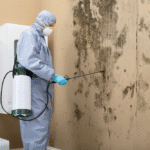

Mold mites are tiny pests commonly associated with damp, humid environments where mold, fungi, and organic matter are present. They are difficult to see without magnification and may appear when moisture levels remain high inside homes, particularly around bathrooms, kitchens, basements, crawl spaces, and areas affected by water damage. While these microscopic pests are not known to bite people, their presence can indicate an underlying moisture or mold problem that should be addressed.
For homeowners searching for answers about mold mites, understanding what causes them, how to identify an infestation, and how to prevent their return is an important first step.
What Are Mold Mites?
Mold mites are extremely small mites that feed primarily on mold, fungi, decaying organic material, and other microscopic food sources. They are sometimes referred to as grain mites or storage mites, depending on the species and environment where they are found.
These pests thrive when moisture and humidity create suitable conditions for fungal growth. Because of their tiny size, they can be difficult to identify individually. A large population may appear as a fine, moving dust-like substance on surfaces.
Unlike bed bugs or fleas, mold mites do not typically feed on human blood. Instead, they are associated with damp materials, mold growth, stored food products, and areas with excessive moisture.
What Causes Mold Mites in a Home?
Excess moisture is one of the main factors that encourages these mites to appear. When humidity remains elevated for extended periods, mold and fungi can develop, providing a suitable food source.
Common conditions that may contribute to an infestation include:
- High indoor humidity and poor ventilation
- Leaking pipes, roofs, or appliances
- Water damage that has not been completely dried
- Mold growth in damp areas
- Moist basements, crawl spaces, or storage rooms
- Improperly stored grains, cereals, or other dry food products
In Aurora, IL, seasonal weather changes can also affect indoor moisture levels. Keeping your property dry and well ventilated can reduce the conditions that allow these pests and other moisture-loving insects to thrive.
What Do Mold Mites Look Like?
Mold mites are usually too small to identify easily with the naked eye. They are generally pale or whitish and have soft bodies with multiple legs. Because of their microscopic size, homeowners may notice signs of an infestation before they can identify the individual pests.
A moving, dust-like appearance around damp surfaces can sometimes indicate a mite population. However, similar-looking particles may also be mold spores, dust, or other small pests. For this reason, professional identification may be necessary when the source of the problem is unclear.
It is also important to distinguish these pests from other household insects. For example, discovering Larder beetle larvae in stored products or around food-storage areas points to a different type of pest problem and requires a different treatment approach.
Signs You May Have Mold Mites
Because they are extremely small, identifying an infestation based solely on seeing individual mites can be difficult. Instead, homeowners should look for environmental and physical signs that indicate suitable conditions for their presence.
Potential signs include:
- Tiny moving specks on damp surfaces
- Increased activity around areas with visible mold
- Mite-like particles around stored food
- Persistent moisture or condensation
- Musty odors associated with damp areas
- Visible fungal or mold growth
If you notice these signs repeatedly, investigate the moisture source rather than simply cleaning the visible pests. Removing excess humidity and addressing mold growth can make the environment less suitable for continued activity.
Are Mold Mites Dangerous?
Mold mites are not generally considered dangerous household pests because they do not normally bite or sting people. However, their presence can indicate excessive moisture, mold growth, or poor storage conditions.
Mold itself can contribute to indoor air-quality concerns for some individuals, particularly when substantial growth is present. People who experience unexplained irritation or allergy-like symptoms should consider discussing those concerns with an appropriate healthcare professional.
It is also important not to confuse mite activity with other household pests. For instance, bed bugs bites are associated with blood-feeding bed bugs, while mold mites are primarily associated with moisture and fungal food sources.
How to Get Rid of Mold Mites
The most effective approach is to address both the pests and the conditions that allow them to survive. Simply wiping visible mites from a surface may provide temporary relief if moisture and mold remain.
Start by identifying and correcting the moisture source. Repair plumbing or roof leaks, dry water-damaged materials, improve ventilation, and use a dehumidifier where appropriate. Areas with visible mold should also be assessed and cleaned using suitable methods.
For stored food, inspect packages for moisture, contamination, or signs of infestation. Dispose of affected products when appropriate and keep unaffected dry goods in clean, airtight containers.
If the infestation continues despite moisture control and cleaning, professional pest inspection can help determine the source and identify the appropriate treatment.
Preventing Mold Mites From Coming Back
Prevention focuses primarily on moisture management and good household maintenance. Keeping indoor spaces dry can reduce mold growth and make the environment less favorable for these pests.
Consider these practical measures:
- Maintain appropriate indoor humidity levels.
- Repair leaks promptly.
- Improve ventilation in bathrooms and kitchens.
- Keep basements and storage areas dry.
- Store grains and dry foods in sealed containers.
- Inspect areas affected by previous water damage.
- Address mold growth at its source.
Other small pests may also appear around homes and gardens, so accurate identification is important. For example, sweat bees are outdoor pollinators and are not the same type of pest as moisture-associated mites.
When Should You Call Pest Control?
Professional pest control may be appropriate when you continue finding mites after correcting moisture problems, when the source cannot be identified, or when several types of pests are present.
A professional inspection can help determine whether the suspected infestation involves mites, mold-associated pests, stored-product pests, or another species. Treatment should focus on the underlying conditions as well as the pest population.
For homeowners looking for Pest control aurora, a local inspection can help identify pest activity and contributing conditions specific to the property.
Can Mold Mites Be Prevented?
Yes. Preventing excess moisture is one of the most important ways to reduce the risk of future activity. Regularly checking plumbing, ventilation, roofing, storage areas, and previously water-damaged spaces can help identify problems before they become significant.
Homeowners should also avoid storing food products in damp locations. If moisture gets into packaging, inspect the contents and surrounding storage area rather than simply moving the affected container elsewhere.
When inspecting outdoor areas, remember that not every small insect or egg cluster indicates a mite problem. For example, stink bug eggs are visible egg clusters produced by stink bugs and require a completely different identification and management approach.
Frequently Asked Questions About Mold Mites
Can mold mites bite humans?
Mold mites are not considered blood-feeding pests and do not typically bite humans. Their presence is generally associated with mold, fungi, moisture, and organic materials.
How do I know if I have mold mites?
Look for tiny moving specks around damp or moldy areas, particularly where humidity is high. Because several pests and particles can look similar, professional identification may be needed.
What attracts mold mites?
High humidity, moisture, mold, fungi, and certain stored food products can create favorable conditions for these mites.
Will mold mites go away on their own?
They may decline when moisture and their food sources are removed. However, persistent activity can indicate an unresolved moisture or mold issue that needs attention.
How can I prevent mold mites?
Keep indoor areas dry, control humidity, repair leaks, improve ventilation, address mold promptly, and store dry foods properly.
Final Thoughts
Mold mites are tiny moisture-associated pests that can become noticeable when indoor humidity, mold, or damp conditions create a suitable environment. Although they are not typically considered dangerous or blood-feeding pests, their presence can point to an underlying moisture or storage problem.
The key to long-term control is to identify the source, reduce excess moisture, address mold or contaminated materials, and maintain a clean and dry environment. If activity continues or the pest cannot be identified confidently, professional inspection can help determine the appropriate solution for your Aurora, IL property.