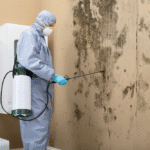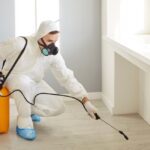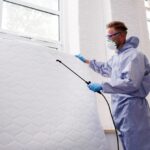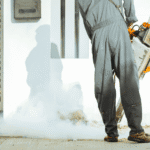
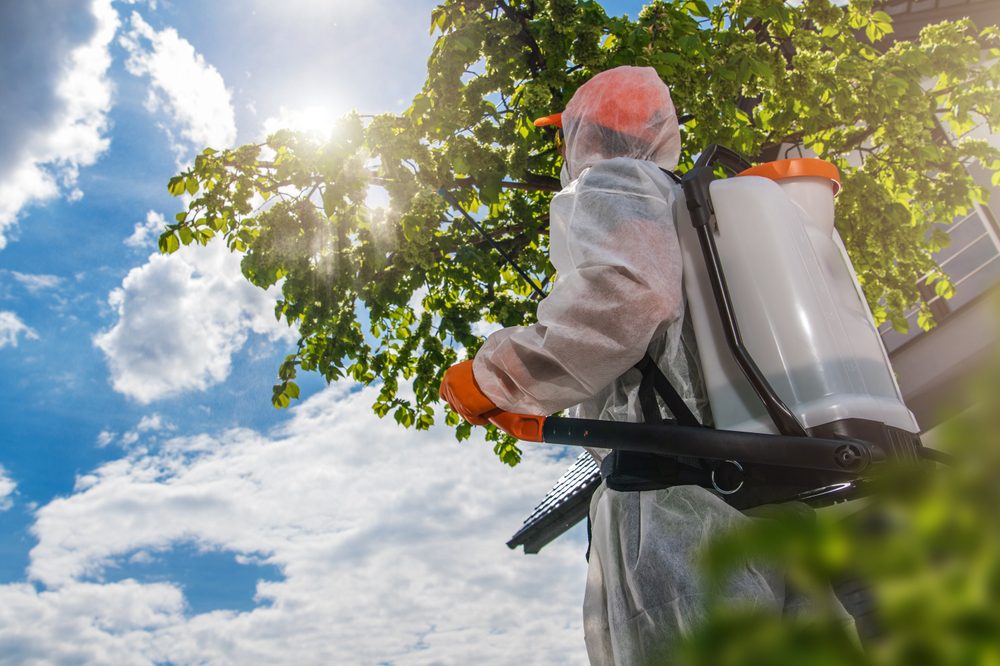
Keeping your property free from pests is important for maintaining a clean, healthy, and comfortable environment. Today, many homeowners and businesses are searching for safer alternatives to traditional chemical treatments. This is where organic pest control has become increasingly popular. Organic methods focus on reducing pest problems through natural, eco-conscious solutions that are safer for people, pets, and the environment.
In Aurora, IL, pests such as ants, mosquitoes, rodents, termites, and spiders can quickly become a problem if not handled properly. Choosing organic methods allows property owners to manage infestations effectively while minimizing the use of harsh chemicals.
Understanding Organic Pest Control
Organic pest control refers to the use of natural or low-toxicity methods to prevent and eliminate pests. Instead of relying heavily on synthetic pesticides, organic treatments focus on prevention, habitat management, and environmentally friendly solutions.
The goal is to create an environment that discourages pests from surviving and reproducing. Organic pest management often combines inspection, monitoring, sanitation, exclusion techniques, and natural treatment applications for long-term results.
These methods may include:
- Plant-based repellents
- Biological pest management
- Natural bait systems
- Physical barriers and traps
- Eco-friendly treatment applications
Organic pest control is commonly used in homes, apartments, restaurants, offices, gardens, and commercial buildings because it supports healthier living conditions.
How Organic Pest Control Works
The process of organic pest control begins with identifying the source of the infestation. Instead of simply treating visible pests, technicians focus on understanding why pests are entering the property in the first place.
For example, standing water may attract mosquitoes, food crumbs can bring ants indoors, and moisture issues may encourage cockroach activity. Once the causes are identified, a customized treatment plan is created to remove both the pests and the conditions attracting them.
A professional pest control technician may:
- Inspect the entire property
- Locate nesting and breeding areas
- Seal possible entry points
- Recommend sanitation improvements
- Apply natural or low-impact treatments
- Schedule follow-up monitoring if necessary
This preventive approach makes organic pest management highly effective for long-term pest reduction.
Benefits of Organic Pest Control
Many property owners choose organic pest control because it offers several important advantages over traditional pest treatments.
Safer for Families and Pets
One of the main benefits of organic pest control is reduced chemical exposure. Natural and low-toxicity treatments are often safer for children and pets when applied correctly.
Families can feel more comfortable knowing their living spaces are protected without excessive chemical use.
Environmentally Responsible
Organic methods help reduce contamination in soil, water, and surrounding ecosystems. These environmentally friendly treatments support healthier outdoor spaces and reduce harm to beneficial insects like bees and butterflies.
Many people looking for sustainable solutions often compare organic methods with Eco Pest Control approaches because both prioritize environmentally conscious pest management.
Long-Term Pest Prevention
Organic pest management focuses heavily on prevention instead of temporary solutions. By addressing moisture problems, food sources, and entry points, these methods help reduce recurring infestations.
This creates a more balanced and pest-resistant environment over time.
Reduced Chemical Resistance
Some pests can become resistant to repeated chemical treatments. Organic methods use a combination of natural strategies, making it harder for pests to adapt and survive.
Common Organic Pest Control Methods
There are several techniques commonly used in organic pest control programs. The right method depends on the type of pest and the severity of the infestation.
Biological Pest Management
Biological control uses natural predators or organisms to manage pests. For example, beneficial insects may help control harmful garden pests naturally.
This method supports ecosystem balance while reducing the need for synthetic pesticides.
Plant-Based Treatments
Many organic pest control products are made from natural ingredients such as peppermint oil, citronella, eucalyptus, or neem oil. These ingredients may repel or disrupt pests without causing major environmental harm.
Plant-based solutions are often used against mosquitoes, ants, fleas, and spiders.
Exclusion and Physical Barriers
Physical prevention is an important part of organic pest management. Sealing cracks, repairing screens, and closing entry points can help keep pests out before infestations begin.
Other methods include:
- Installing door sweeps
- Using humane traps
- Eliminating standing water
- Improving ventilation and drainage
These preventive strategies help reduce pest activity naturally.
Sanitation and Maintenance
Cleanliness plays a major role in preventing infestations. Proper garbage disposal, regular cleaning, and moisture control can make a property far less attractive to pests.
Homeowners who invest in professional pest control services often combine treatments with good sanitation practices for better long-term protection.
Organic Pest Control for Residential Properties
Homes are one of the most common places where organic pest control methods are used. Many families prefer natural pest management solutions because they support healthier indoor environments.
Organic treatments can help control:
- Ant infestations
- Mosquito populations
- Rodent activity
- Cockroaches
- Fleas and ticks
- Bed bugs
In addition to professional treatment, homeowners can reduce pest risks by storing food properly, fixing leaks, and maintaining clean outdoor areas.
Many homeowners also explore Green Pest Control options because they focus on eco-friendly and family-safe pest management techniques.
Organic Pest Control for Businesses
Commercial properties also benefit from environmentally responsible pest management. Offices, restaurants, warehouses, and retail spaces often require effective pest prevention while maintaining health and safety standards.
Organic methods can help businesses reduce pest issues without heavily impacting employees, customers, or daily operations.
Industries that prioritize sustainability frequently choose natural pest management as part of their overall environmental efforts. Businesses researching Commercial Pest Control solutions may find organic treatments beneficial for maintaining cleaner and safer work environments.
Outdoor Organic Pest Prevention
Outdoor spaces often attract pests during warmer seasons. Mosquitoes, ants, and lawn insects thrive in areas with moisture, overgrown vegetation, and food sources.
Organic outdoor prevention strategies include:
- Removing standing water
- Trimming grass and shrubs regularly
- Cleaning outdoor eating areas
- Maintaining proper drainage
- Using natural insect repellents
Property owners looking to protect their yards and landscaping may also benefit from Lawn Pest Control solutions designed to reduce insects damaging outdoor spaces.
Organic Pest Control vs Traditional Pest Control
Traditional pest control methods often rely on strong chemical applications for quick results. While effective in some situations, these treatments may involve higher chemical exposure.
Organic pest control focuses more on:
- Prevention-based solutions
- Low-toxicity applications
- Natural repellents and barriers
- Sustainable pest management
- Environmental protection
Modern pest management companies often combine advanced inspection methods with organic solutions to provide effective and safer treatments.
Choosing the Right Organic Pest Control Company
Finding an experienced pest control provider is important for achieving the best results. A qualified company will understand local pest problems in Aurora and recommend customized solutions based on your property’s needs.
When selecting a provider, look for:
- Experience with organic treatments
- Safe and eco-friendly methods
- Thorough inspections
- Preventive treatment plans
- Reliable follow-up services
An experienced pest control team can help identify hidden infestations and provide long-term prevention strategies that keep your property protected.
Final Thoughts
Organic pest control offers a safer and more environmentally responsible way to manage pest infestations in homes and businesses. By focusing on prevention, natural treatments, and sustainable pest management practices, these methods help reduce pest activity while supporting healthier living conditions.
From plant-based repellents to sanitation improvements and habitat control, organic pest control provides effective long-term solutions without relying heavily on harsh chemicals. For homeowners and businesses in Aurora, IL, organic pest management can be an excellent option for maintaining a cleaner, safer, and pest free property.