
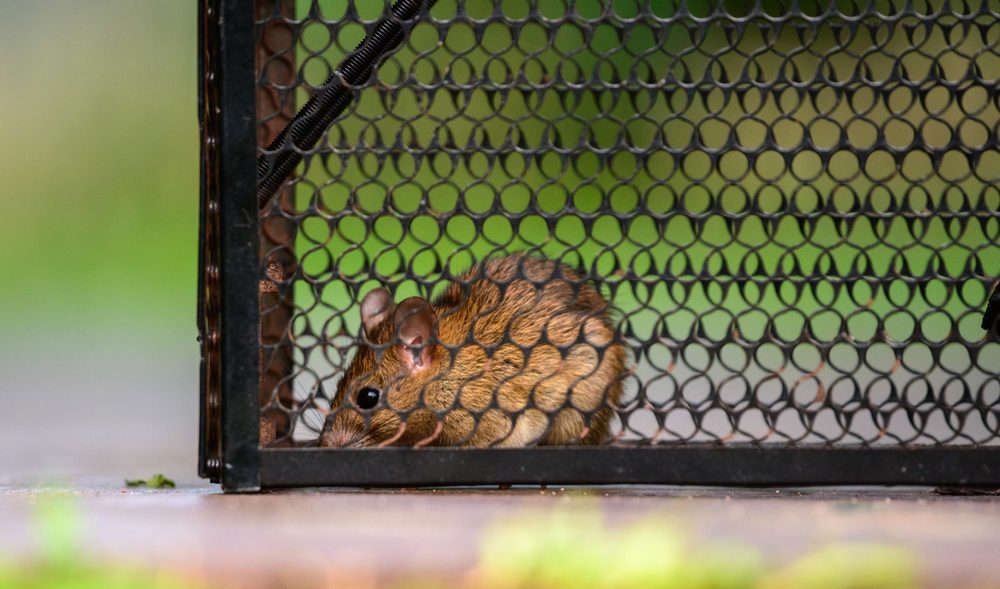
Mice can quickly become a serious nuisance once they find their way into a home or business. These small rodents are constantly searching for food, water, and shelter, making residential and commercial properties attractive places to settle. While setting up mice traps is one of the most effective ways to deal with an infestation, many property owners struggle because the traps fail to catch anything.
The good news is that understanding mouse behavior can significantly improve your success rate. By using the right bait, placing traps strategically, and creating an environment that encourages mice to investigate them, you can make your rodent control efforts far more effective. This guide explains how to attract mice to traps and increase your chances of eliminating these unwanted pests.
Understanding Mouse Behavior
Before placing mice traps, it helps to understand how mice move and behave. Mice are naturally cautious creatures. They tend to avoid open spaces and prefer traveling along walls, baseboards, and hidden pathways where they feel protected.
Unlike some pests, mice rely heavily on their sense of smell to locate food. They are attracted to strong scents and will often investigate anything that appears to be a potential food source. Because of this behavior, selecting the right bait and trap location is essential for success.
Another important factor is that mice are creatures of habit. Once they establish a route between their nest and food source, they often use the same path repeatedly. Placing mice traps along these travel routes can dramatically improve capture rates.
Choose the Right Bait
One of the biggest mistakes people make is assuming that cheese is the best bait for mice. In reality, mice are attracted to a variety of foods that offer stronger aromas and higher nutritional value.
Some effective bait options include:
- Peanut butter
- Chocolate
- Nut spreads
- Seeds and nuts
- Dried fruit
- Small pieces of bread
Peanut butter remains one of the most popular choices because its strong scent can attract mice from a distance. Apply only a small amount to avoid allowing mice to steal the bait without triggering the trap.
Using fresh bait is also important. Old or dried-out bait may lose its scent, making your mice traps less appealing to rodents.
Place Traps Along Mouse Pathways
Even the best bait won’t work if traps are placed in the wrong locations. Mice generally avoid crossing large open areas and instead travel close to walls and hidden corners.
Look for signs such as:
- Droppings
- Gnaw marks
- Grease trails
- Nesting materials
- Scratching sounds behind walls
Position mice traps perpendicular to the wall with the trigger end facing the wall. This placement increases the likelihood that mice will encounter the trap while following their usual route.
Common locations include kitchens, basements, garages, storage rooms, and utility areas where food or shelter may be available.
Reduce Alternative Food Sources
Mice are less likely to investigate traps if plenty of food is already available nearby. Eliminating alternative food sources can make your bait significantly more attractive.
To encourage mice to approach mice traps, consider the following:
- Store food in sealed containers
- Clean up crumbs immediately
- Secure garbage bins
- Avoid leaving pet food out overnight
- Sweep and vacuum regularly
When food becomes harder to find, mice are more likely to take risks and investigate baited traps.
Many homeowners who contact professional pest control companies discover that improving sanitation is often one of the most effective ways to support successful rodent control efforts.
Pre-Bait the Trap Area
Mice can be cautious when encountering new objects. One useful strategy is pre-baiting. This involves placing bait in the trap location without activating the trap for a few days.
By allowing mice to become comfortable feeding from the area, you reduce their fear of the device. Once activity is confirmed, activate the trap and leave it undisturbed.
This technique often improves the effectiveness of mice traps, especially when dealing with older or more cautious rodents.
Use Multiple Traps
A single trap is rarely enough for a mouse infestation. Mice reproduce quickly, and where there is one mouse, there are often several more nearby.
Experts recommend placing multiple mice traps throughout the affected area. Concentrating traps along known travel routes can increase capture rates and help eliminate the infestation more quickly.
Spacing traps several feet apart along walls is typically more effective than placing them randomly throughout a room.
Eliminate Attractive Hiding Places
Cluttered areas provide shelter and protection for rodents. When mice feel secure, they may have little reason to venture toward traps.
Reducing clutter can help guide mice toward mice traps and make their movements easier to predict.
Focus on removing:
- Cardboard boxes
- Paper piles
- Excess storage materials
- Unused furniture
- Debris around foundations
Creating a less hospitable environment encourages mice to leave their hiding spots in search of food.
Similarly, other household pest issues can arise from clutter and neglected storage spaces. Homeowners researching ‘how to get rid of moths’ often discover that proper organization and cleanliness play a major role in prevention.
Avoid Human Scent Contamination
Mice possess a strong sense of smell and may detect human scent on traps. Excessive handling can sometimes make rodents hesitant to approach.
When setting mice traps, consider wearing disposable gloves. This reduces scent transfer and keeps the bait smelling more appealing to rodents.
It is also important to avoid frequently moving traps once they have been placed. Mice may become suspicious of constantly changing objects in their environment.
Use the Right Type of Trap
Several types of mice traps are available, and choosing the right option can improve results.
Popular choices include:
- Snap traps
- Electronic traps
- Live-catch traps
- Multi-catch traps
Snap traps remain one of the most reliable options due to their effectiveness and affordability. Electronic traps are also popular because they provide quick and humane elimination.
The best trap often depends on the size of the infestation and the specific environment being treated.
In some cases, homeowners dealing with multiple pest concerns may also encounter tiny red bugs around their property, making a comprehensive pest management approach beneficial.
Monitor and Adjust Trap Placement
Successful rodent control often requires ongoing monitoring. If a trap remains untouched after several days, it may be located in the wrong area.
Inspect your property for new signs of activity and reposition mice traps accordingly. Fresh droppings, gnaw marks, and nesting evidence can provide valuable clues about mouse movement patterns.
Rotating bait types can also help if mice appear uninterested in the original selection.
Patience and consistency are important. Even well-placed traps may require time before producing results.
Seal Entry Points After Trapping
Capturing mice is only part of the solution. If entry points remain open, new rodents may continue entering the property.
Inspect the building carefully for:
- Cracks in foundations
- Gaps around utility lines
- Damaged vents
- Openings around doors and windows
Sealing these access points helps ensure that your mice traps provide long-term results rather than a temporary fix.
Preventive maintenance is just as important in other pest situations. For example, homeowners searching for information about how to kill termites naturally often learn that preventing future infestations is equally critical.
When to Call Professionals
While mice traps can be highly effective for small infestations, larger rodent problems may require professional assistance. Persistent activity, recurring infestations, or evidence of extensive nesting often indicate a more serious issue.
Professional technicians can identify hidden nesting areas, locate entry points, and implement targeted treatment strategies. Businesses facing rodent issues may also benefit from specialized commercial pest control services designed to protect employees, customers, and inventory.
Professional inspections can uncover problems that are difficult for property owners to detect on their own.
Final Thoughts
Learning how to attract mice to traps can significantly improve your rodent control success. By understanding mouse behavior, choosing the right bait, reducing food competition, and placing mice traps strategically, you can greatly increase the likelihood of capturing rodents.
Combining effective trapping techniques with sanitation, exclusion measures, and regular monitoring creates a comprehensive approach to mouse control. Whether you’re dealing with a minor issue or a larger infestation, the proper use of mice traps remains one of the most dependable ways to restore a pest-free environment.