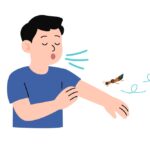

A carpet beetle skin rash can be uncomfortable, itchy and irritating, especially when carpet beetle larvae or their tiny hairs come into contact with your skin. Unlike bed bugs or mosquitoes, carpet beetles do not bite people. Instead, their larval hairs can trigger an allergic skin reaction known as carpet beetle dermatitis. The rash may look similar to bites from other insects, which can make identifying the cause difficult.
If you have noticed unexplained redness, itching or small bumps after finding carpet beetles or larvae around your home, there are several simple steps you can take to soothe your skin and reduce further irritation. However, treating the rash is only part of the solution. Removing the source of the infestation is also important to prevent the problem from returning.
What Causes a Carpet Beetle Skin Rash?
Carpet beetle larvae are covered in tiny, irritating hairs called setae. When these hairs become airborne or come into contact with clothing, bedding, carpets or skin, they can cause an allergic reaction in sensitive individuals. The resulting carpet beetle skin rash may appear as red patches, small raised bumps or itchy areas on exposed parts of the body.
The reaction can sometimes be mistaken for insect bites because the affected skin may become swollen and uncomfortable. However, carpet beetle larvae are not feeding on human blood. The irritation is generally caused by contact with their hairs rather than a bite.
Carpet beetles can be particularly difficult to notice because adult beetles are small and larvae often hide in carpets, upholstered furniture, closets, stored fabrics and other undisturbed areas.
Wash the Affected Skin Gently
The first step when dealing with a carpet beetle skin rash is to wash the affected area with lukewarm water and a mild, fragrance-free soap. This can help remove irritating hairs or other particles that may still be present on the skin.
Avoid vigorous scrubbing, as excessive friction can make irritated skin worse. After washing, gently pat the area dry using a clean towel. If your clothing has been exposed to carpet beetle larvae, change into freshly washed clothes to reduce the chance of additional contact.
Keeping the affected area clean is also useful if you have been scratching because broken or irritated skin can be more vulnerable to secondary infection.
Use a Cool Compress to Reduce Itching
A cool, damp compress can provide temporary relief from itching, redness and mild swelling. Place the compress over the irritated area for around 10 to 15 minutes at a time. You can repeat this several times throughout the day when necessary.
Do not apply ice directly to your skin. Instead, wrap an ice pack or ice cubes in a clean cloth before applying them. Cooling the affected area can help calm the sensation of itching and make the rash more comfortable while your skin recovers.
If the irritation becomes worse after applying a particular product or compress, stop using it and allow the skin to settle.
Try an Over-the-Counter Anti-Itch Treatment
For mild irritation, an over-the-counter anti-itch cream or lotion may help relieve discomfort. Products containing ingredients such as calamine can provide soothing relief, while a suitable low-strength hydrocortisone cream may help reduce inflammation for some people.
Always follow the product instructions and check whether it is appropriate for your age and the affected area. Avoid applying medicated products to broken skin unless the product label or a healthcare professional says it is appropriate.
If you regularly experience allergic skin reactions, speaking with a pharmacist or healthcare professional can help you choose an appropriate treatment.
Avoid Scratching the Rash
It can be difficult to resist scratching an itchy carpet beetle skin rash, but doing so can prolong irritation. Scratching may damage the skin and increase the risk of introducing bacteria into small cuts or sores.
Keep your fingernails short and clean, particularly if the itching is persistent. Wearing loose, breathable clothing can also reduce friction against irritated skin.
If itching becomes particularly bothersome at night, keeping the bedroom cool and wearing comfortable sleepwear may make it easier to avoid scratching while you sleep.
Wash Clothing, Bedding and Fabrics
Once you suspect carpet beetles are responsible for your skin irritation, clean fabrics that may have been exposed to larvae or their hairs. Wash clothing, bedding, towels and other washable fabrics according to their care instructions.
Pay particular attention to items stored for long periods. Carpet beetle larvae can feed on natural fibres and materials containing wool, fur, feathers and other organic matter.
Regularly vacuum carpets, rugs, upholstered furniture, closets and areas underneath furniture. Empty the vacuum cleaner promptly, particularly when dealing with a suspected infestation.
If you have noticed small red bugs around your home as well as unexplained skin irritation, avoid assuming that every insect is a carpet beetle. Correct identification can help determine the most appropriate solution.
Find and Remove the Source
Treating your skin can provide relief, but it will not prevent another reaction if carpet beetle larvae remain inside your property. Look for signs of activity in quiet, rarely disturbed locations such as carpet edges, closets, storage areas, upholstered furniture and underneath furniture.
Vacuuming can remove larvae, shed skins, hairs and potential food sources. Where appropriate, wash or clean infested fabrics and declutter areas where pests can hide.
You may also find adult beetles around windows because they are attracted to light. Finding adult beetles does not necessarily mean that the adults are causing the skin irritation, but it can indicate that further inspection is worthwhile.
If you have also noticed black beetles inside your property, identifying the insects before taking extensive control measures is important because different beetle species may require different approaches.
When to Consider Professional Pest Control
A small number of carpet beetles may sometimes be managed through thorough cleaning, vacuuming and removal of infested materials. However, a persistent infestation can be harder to locate and eliminate.
If you repeatedly develop a carpet beetle skin rash, continue finding larvae or shed skins, or discover beetles throughout several areas of your home, professional assistance may be worthwhile. Experienced Pest control companies can inspect likely hiding areas, identify the source of the infestation and recommend appropriate treatment options.
Professional pest management can be particularly helpful when beetles have established themselves in difficult-to-reach areas or when repeated household cleaning has not resolved the problem.
Prevent Future Carpet Beetle Problems
Once the infestation has been addressed, prevention can help reduce the likelihood of another carpet beetle skin rash. Keep carpets and upholstered furniture clean, vacuum regularly and avoid allowing dust, lint, pet hair and other organic debris to accumulate in hidden areas.
Store woollen clothing, blankets and other susceptible fabrics in clean, sealed containers when they are not being used. Regularly inspect stored textiles for larvae, shed skins or damaged fibres.
Repair or seal potential entry points around windows, doors and other openings where practical. Cleaning window areas can also help remove dead insects and organic material that may attract certain pests.
Regular household inspections are useful because early detection is generally easier to manage than a well-established infestation.
Could Other Household Pests Be Responsible?
Not every itchy rash is caused by carpet beetles. Several household insects and spiders can be mistaken for one another, while some skin conditions can also resemble insect-related irritation.
For example, discovering a baby wolf spider in your home does not automatically mean it caused a skin rash. Similarly, finding executioner wasps outdoors is unrelated to carpet beetle dermatitis and should not be used as evidence that carpet beetles are responsible for indoor skin irritation.
If you are unsure about the cause of your symptoms, consider photographing the insects or signs you have found and consulting a qualified pest professional or healthcare provider.
When Should You See a Doctor?
Most mild cases of carpet beetle skin rash can improve once exposure to the irritating larvae hairs has stopped. However, medical advice is recommended if the rash is severe, spreading, painful, persistent or showing signs of infection.
Seek professional medical guidance if you experience significant swelling, pus, increasing warmth or pain around the affected skin, fever, or symptoms that do not improve. If you develop difficulty breathing, swelling of the face or throat, dizziness or another severe allergic reaction, seek emergency medical attention immediately.
Keep Your Home and Skin Protected
A carpet beetle skin rash can be frustrating, but reducing exposure to carpet beetle larvae is an important part of managing the problem. Gently washing the affected skin, using a cool compress, avoiding scratching and cleaning potentially contaminated fabrics can help reduce irritation.
At the same time, inspect your home for carpet beetles and larvae and maintain regular cleaning practices. If the infestation continues despite your efforts, professional pest inspection and treatment can help identify hidden sources and protect your home from recurring pest problems.
With prompt attention to both the skin irritation and the underlying pest issue, you can create a cleaner, more comfortable and pest-free living environment.