Carpenter ants are among the most destructive household pests that homeowners can encounter. Unlike termites, they do not eat wood, but they tunnel through it to create nests, which can weaken wooden structures over time. If left untreated, a Carpenter Ants infestation can cause significant damage to walls, floors, decks, and furniture.
For homeowners in Aurora, dealing with these pests quickly and effectively is essential. Understanding how Carpenter Ants behave and learning the best ways to eliminate them can help protect your property and maintain a safe living environment.
Understanding Carpenter Ants and Why They Invade Homes
Carpenter Ants are large ants, typically black or reddish-black, that prefer moist or damaged wood for nesting. They are commonly found in areas where wood is exposed to moisture, such as around windows, roofs, basements, or plumbing leaks.
These ants create smooth tunnels inside wood, which can eventually compromise the structural integrity of your home. While they usually begin nesting outdoors in tree stumps, logs, or wooden fences, they often move indoors when they find suitable conditions.
Some common reasons why Carpenter Ants enter homes include:
- Moist or decaying wood that provides an ideal nesting area
- Easy access through cracks, gaps, or foundation openings
- Food sources such as sugary substances, crumbs, or pet food
- Damp environments in kitchens, bathrooms, or basements
Recognizing these conditions early can help prevent an infestation before it becomes severe.
Signs You May Have Carpenter Ants in Your Home
Identifying Carpenter Ants early can save homeowners from costly repairs. These pests often remain hidden within wooden structures, so noticing subtle warning signs is important.
Here are some indicators that Carpenter Ants may be present in your home:
- Rustling sounds inside walls: You may hear faint noises as ants tunnel through wood.
- Small piles of wood shavings: Known as frass, these wood particles are pushed out of tunnels created by ants.
- Large ants appearing indoors: Spotting larger ants, especially near windows or kitchens, could signal a nearby nest.
- Winged ants inside the house: Swarmers often appear during mating seasons and indicate a mature colony.
If you notice any of these signs, scheduling a Pest Inspection can help determine the extent of the infestation and identify the best solution.
How to Get Rid of Carpenter Ants
Eliminating Carpenter Ants requires a combination of targeted treatments and preventive measures. While small infestations may be manageable with basic solutions, larger colonies often require professional attention.
1. Locate the Ant Nest
The most important step in eliminating Carpenter Ants is finding their nest. Carpenter ants often build their colonies in:
- Wall voids
- Wooden beams or structural framing
- Attics or crawl spaces
- Outdoor tree stumps or firewood piles
Following ant trails can help lead you to the colony. These ants usually travel between food sources and their nests, making their movement patterns helpful clues.
2. Use Ant Baits and Targeted Treatments
Ant baits are one of the most effective ways to eliminate Carpenter Ants because they allow worker ants to carry insecticide back to the colony. This helps eliminate the queen and the rest of the colony over time.
Place baits in areas where ants are frequently seen, such as:
- Along baseboards
- Near windows and doors
- Around kitchen cabinets
- Close to outdoor entry points
This method gradually reduces the colony and helps prevent reinfestation.
3. Reduce Moisture and Repair Damaged Wood
Since Carpenter Ants prefer damp wood, removing moisture sources is essential for long-term control. Start by addressing areas where water damage or leaks may occur.
Key actions include:
- Fixing leaking pipes or faucets
- Repairing damaged roof shingles or gutters
- Improving ventilation in basements and attics
- Replacing rotting or water-damaged wood
Dry, well-maintained wood is far less attractive to carpenter ants.
4. Seal Entry Points Around Your Home
Preventing ants from entering your home is another important step in controlling Carpenter Ants. Even small openings can allow ants to move inside and establish colonies.
Focus on sealing areas such as:
- Cracks in walls or foundations
- Gaps around windows and doors
- Utility openings for pipes and cables
- Spaces around vents and siding
Using caulk or weatherproof sealants can help block these entry points and reduce the likelihood of infestations.
5. Keep Your Property Clean and Free of Food Sources
Food availability plays a big role in attracting Carpenter Ants indoors. These ants are particularly attracted to sugary foods, crumbs, and grease residues.
To reduce the chances of infestation:
- Store food in sealed containers
- Clean kitchen surfaces regularly
- Remove crumbs and spills promptly
- Keep garbage bins tightly closed
Maintaining good sanitation helps eliminate the food sources that encourage ants to stay.
Preventing Future Carpenter Ant Infestations
After eliminating Carpenter Ants, taking preventive measures is essential to keep them from returning. Regular maintenance and inspections can significantly reduce the risk of reinfestation.
Some preventive strategies include:
- Keeping firewood stored away from your home
- Trimming tree branches that touch your roof or siding
- Maintaining proper drainage around your property
- Inspecting wooden structures for early signs of damage
In some cases, carpenter ant infestations may occur alongside other wood-damaging pests. For example, termite problems can also threaten structural wood. Learning about effective Termite Control methods can help homeowners protect their properties from multiple pest threats.
When to Call Professional Pest Control Experts
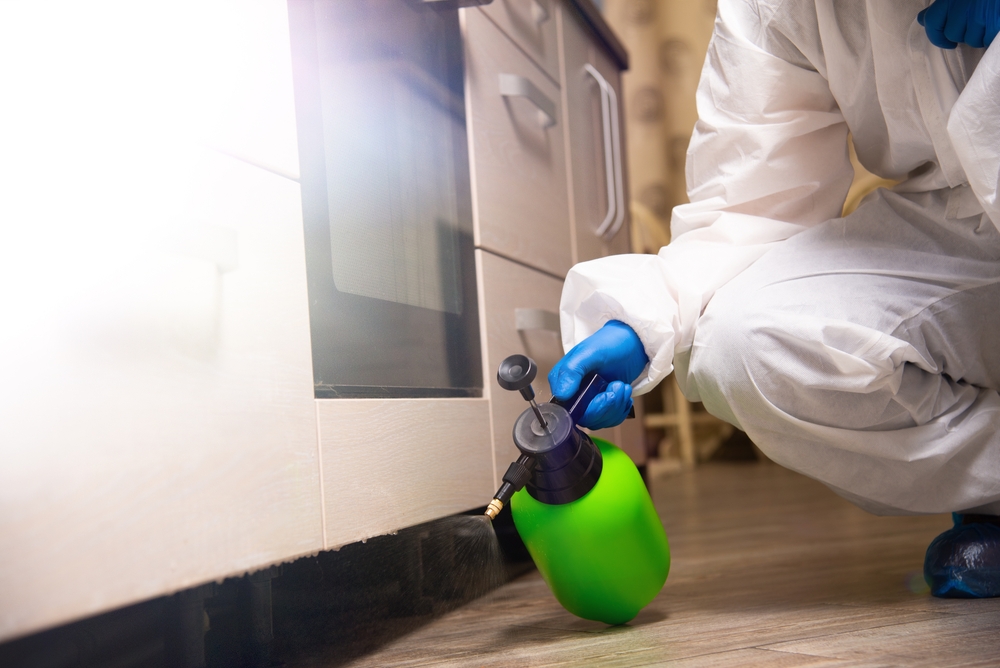
While DIY solutions can help with minor problems, large infestations of Carpenter Ants often require professional pest control services. Experts have access to specialized treatments and equipment that target colonies more effectively.
Professional pest control technicians can:
- Identify hidden nests within walls or structures
- Apply targeted treatments safely and efficiently
- Provide long-term monitoring and prevention strategies
By addressing the problem early, you can prevent structural damage and ensure your home remains safe and pest free.
Final Thoughts
Dealing with Carpenter Ants can be frustrating, but the right approach can eliminate them effectively. By identifying early signs, removing moisture sources, sealing entry points, and using proper treatments, homeowners can protect their properties from these destructive pests.
Regular inspections and preventive maintenance also play a crucial role in long-term pest control. If you suspect an infestation or want expert assistance, working with experienced pest control companies can help ensure your home stays protected from Carpenter Ants and other unwanted pests.