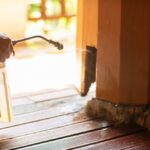

Rodent infestations can become a recurring problem when the conditions that attract mice or rats are not addressed. Removing visible rodents is only one part of effective pest management. Professional rodent control services focus on identifying how rodents entered the property, what attracted them and where they are nesting. By combining inspection, removal, exclusion, sanitation recommendations and follow-up monitoring, professionals can reduce the likelihood of another infestation.
For homeowners and businesses in Aurora, IL, a long-term approach is particularly important because rodents can enter buildings through surprisingly small openings. A professional inspection helps identify vulnerable areas and provides a structured plan to keep rodents from returning.
Why Do Rodent Infestations Keep Coming Back?
Rodents rarely disappear permanently when only the existing population is removed. If food, water, shelter or access points remain available, new rodents can enter and establish another infestation.
Common reasons for recurring rodent problems include:
- Unsealed gaps around doors, windows, pipes and utility lines
- Food waste, pet food or improperly stored supplies
- Cluttered areas that provide nesting materials
- Cracks around foundations, roofs or other structural openings
- Nearby vegetation, debris or other outdoor shelter
Professional rodent control services address these contributing factors rather than concentrating solely on the rodents that are currently visible.
How Do Professionals Inspect for Rodent Activity?
The first step in preventing repeat infestations is understanding where rodents are active. Experienced technicians inspect both indoor and outdoor areas for evidence such as droppings, gnaw marks, nesting materials, tracks, grease marks and unusual noises.
Technicians may also look for evidence around attics, basements, garages, wall voids, crawl spaces and storage areas. Exterior inspections can identify gaps around the foundation, roofline, vents and service penetrations.
This inspection helps determine the likely entry routes and areas where rodents are feeding or nesting. Instead of applying the same treatment everywhere, professionals can develop a targeted pest management strategy based on the property’s specific conditions.
How Does Rodent Exclusion Stop New Infestations?
Rodent exclusion is one of the most important steps in preventing future activity. After identifying potential entry points, technicians can recommend or perform appropriate sealing measures to make the property less accessible.
Small openings can occur around plumbing pipes, electrical lines, vents, doors and foundations. Rodents can exploit these vulnerable areas to gain access to indoor spaces.
Effective exclusion may involve:
- Sealing gaps and cracks around the building envelope
- Improving door sweeps and weather seals
- Repairing damaged screens or vents
- Securing openings around utility penetrations
- Addressing structural weaknesses that allow pest entry
The objective is not simply to remove rodents from the building but to reduce opportunities for another population to enter.
How Do Rodent Control Services Remove Existing Rodents?
Once activity has been assessed, professionals use appropriate removal and control methods based on the type and extent of infestation. This may include strategically placed traps, monitoring devices and other targeted measures.
The placement of control devices is important because rodents tend to follow established travel routes along walls, behind objects and through concealed spaces. Professional technicians can use evidence from the inspection to determine where control measures are most likely to be effective.
For homeowners interested in different approaches, our guide to Mouse Control explains how traps, baits and exclusion methods can be used to address mouse activity.
The goal is to reduce the active population while simultaneously addressing the conditions that could allow rodents to return.
What Role Does Sanitation Play in Rodent Prevention?
Removing rodents without reducing available food and shelter can leave a property vulnerable to another infestation. Sanitation therefore forms an important part of long-term rodent prevention.
Food should be stored in sealed containers, rubbish should be managed appropriately and spills should be cleaned promptly. Pet food should not be left accessible overnight when rodents are a concern.
Outdoor areas also deserve attention. Fallen fruit, accumulated debris, overgrown vegetation and unsecured waste can create attractive conditions for rodents.
Professional technicians can provide practical sanitation recommendations based on what they discover during an inspection. These measures complement physical exclusion and pest control treatments.
Can Rodent Repellents Help Prevent Future Activity?
Repellents may sometimes form part of a broader prevention strategy, but they should not be considered a substitute for removing access points and addressing food or shelter sources.
A property with multiple openings can remain vulnerable even when a repellent is used. Rodents may continue searching for food and nesting areas when favourable conditions are available.
For additional information, our article on rodent repellent covers practical ways to discourage rodents from approaching or entering residential spaces.
The strongest prevention strategy combines environmental improvements, exclusion, monitoring and appropriate pest management rather than relying on a single product.
Why Is Follow-Up Monitoring Important?
A single treatment may not reveal the full extent of a rodent problem. Some rodents may remain hidden, while new activity can occur if an overlooked entry point is still accessible.
Follow-up inspections allow technicians to check whether signs of activity have decreased and whether previously identified problem areas remain secure. Monitoring can also help identify new evidence before a minor issue develops into a larger infestation.
For businesses, regular inspections can be particularly valuable because rodent activity can affect hygiene, stored goods and the overall condition of the premises. A proactive pest management plan can help identify risks before they become significant problems.
What Can Homeowners Do Between Professional Visits?
Property owners also play an important role in preventing recurring rodent activity. Simple changes can make a property less attractive and reduce opportunities for rodents to enter.
Consider these practical measures:
- Store food, animal feed and rubbish in secure containers.
- Keep garages, basements and storage areas organised.
- Inspect exterior walls and foundations for new gaps.
- Trim vegetation that touches or closely surrounds the building.
- Address leaks and standing water where possible.
- Remove outdoor clutter that could provide nesting or hiding areas.
These steps work best when combined with professional inspection and exclusion measures where an infestation already exists.
Can Other Household Pests Indicate Property Issues?
Rodents are not the only pests that can take advantage of favourable conditions around a property. Moisture, organic debris and poor ventilation can contribute to other unwanted pest activity.
For example, homeowners researching sand mites may also benefit from reviewing moisture and outdoor environmental conditions around their property. Similarly, information about Mold Mites can help explain why moisture management matters when dealing with certain household pests.
These issues are different from rodent infestations, but maintaining a clean, dry and well-maintained property can contribute to broader pest prevention.
When Should You Contact Rodent Control Professionals?
Early intervention can make rodent problems easier to manage. Contacting professionals is appropriate when you notice repeated droppings, scratching sounds, gnaw marks, nesting materials, unpleasant odours or visible rodents.
DIY methods may sometimes address isolated activity, but recurring signs can indicate that rodents have established nesting areas or have multiple ways to access the building.
Professional rodent control services provide a structured approach that combines inspection, targeted removal, exclusion and prevention. This can be particularly useful when the source of the infestation is difficult to identify.
How Does a Long-Term Rodent Prevention Plan Work?
A successful prevention strategy focuses on breaking the conditions that allow rodents to survive and reproduce. The process generally involves identifying activity, removing the existing infestation, closing entry points, reducing attractants and monitoring the property.
For broader pest protection, homeowners and businesses can also explore Pest control aurora services to address other common pest concerns alongside rodent management.
The key is to treat rodent control as an ongoing prevention process rather than a one-time removal task. When access points are sealed, attractants are reduced and activity is monitored, the chances of another infestation can be significantly reduced.
Final Takeaway
So, how do rodent control services prevent repeat infestations? They address the underlying reasons rodents entered the property in the first place. Professional inspection identifies activity and entry points, targeted treatments reduce existing populations, exclusion limits future access, and sanitation recommendations remove conditions that attract rodents.
For properties experiencing recurring mouse or rat activity, combining professional intervention with consistent property maintenance provides a more reliable long-term approach. The result is not simply fewer rodents today, but a property that is better prepared to prevent future infestations.