
Paper wasps can become a serious nuisance when they build nests around homes, garages, sheds, porches, and other sheltered areas. Their umbrella-shaped nests are often found under roof eaves, decks, window frames, and other protected surfaces. Although paper wasps are generally less aggressive than some other stinging insects, they can become defensive when their nest is disturbed. If you notice increased wasp activity around your property, understanding how to identify and safely remove a nest can help prevent painful stings and recurring infestations.
How to Identify Paper Wasps Nest
Paper wasps nest is usually easy to recognize because of its open, honeycomb-like appearance. Unlike enclosed nests made by some other wasp species, these nests typically have visible hexagonal cells and are attached to a surface by a narrow stalk. They are commonly gray, tan, or brown and may start small before expanding as the colony grows.
You may notice adult wasps flying around the structure, particularly during warmer parts of the day. Increased activity near a specific location can indicate that a colony is established nearby. Before attempting removal, observe the nest from a safe distance and determine whether there is regular wasp activity.
Why You Should Be Careful Around a Wasp Nest
Disturbing a nest can cause the colony to become defensive. Unlike bees, wasps can sting multiple times, meaning a person can receive several stings during an unsuccessful removal attempt. Children, pets, and anyone with a serious sensitivity to insect stings should be kept away from the area.
It is also important to avoid hitting, spraying, or knocking down a nest while wasps are actively entering and leaving it. A sudden disturbance can increase the chance of an aggressive response. If the nest is large, located in a difficult-to-reach position, or close to a frequently used entrance, professional assistance is usually the safer option.
Find the Nest Before Taking Action
The first step is locating the exact nesting site. Watch the insects from a distance and follow their flight path without approaching the nest itself. Check common nesting locations such as roof overhangs, porch ceilings, sheds, garages, fences, and underneath decks.
Also look around outdoor furniture, light fixtures, window frames, and other sheltered areas. Identifying where the colony is established allows you to address the source rather than simply dealing with individual insects that are flying around your property.
If you have noticed other insects around your home, it can also be useful to understand how different pests behave. For example, learning about lantern flies can help homeowners distinguish between nuisance insects and potentially stinging pests.
Choose the Right Time for Removal
If you plan to handle a small, accessible nest yourself, timing is important. Wasps are generally less active during cooler periods, particularly after sunset. However, this does not eliminate the risk of being stung. Protective clothing, gloves, closed shoes, and appropriate eye protection can provide an additional layer of safety.
Avoid attempting removal during the hottest part of the day when insect activity may be higher. Never stand directly underneath a nest while treating it, and make sure you have a clear path away from the area if the wasps become active.
Use an Appropriate Wasp Treatment
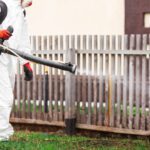
For a small nest in an accessible location, a product specifically labelled for wasp control may be used according to its instructions. Maintain the recommended distance from the nest and avoid applying more product than directed. Do not combine different pest-control chemicals, as this can create unnecessary safety risks.
After treatment, do not immediately approach the nest. Give the product time to work and observe the area from a safe distance. Even when activity appears to have stopped, some wasps may remain inside or return to the nest.
Homeowners who have encountered other pest-related issues may also come across terms such as Bat Bugs. Identifying the pest correctly is important because different insects require different control methods.
Remove the Empty Nest Carefully
Once you are confident that the nest is no longer active, it can be removed carefully. Use a long-handled tool if necessary to avoid placing your hands near the nesting material. Place the removed nest into a sealed bag before disposing of it.
Simply removing a nest does not always address why wasps selected your property. Inspect the surrounding area for sheltered gaps, damaged screens, cracks, or other locations that could provide suitable nesting opportunities.
If you have experienced skin irritation after encountering insects, remember that not every rash is caused by a sting. Conditions involving carpet beetle skin reactions, for example, can have a different cause and require a different approach.
Prevent Future Wasp Nests
Prevention is one of the best ways to reduce the likelihood of another colony establishing itself. Regularly inspect the exterior of your property, especially during spring and early summer when wasp activity increases. Remove abandoned nests when it is safe to do so and seal gaps around windows, doors, rooflines, and other potential entry points.
Keep outdoor garbage containers securely closed and clean up food or sugary drink spills promptly. Pet food should also not be left outside for extended periods. Reducing accessible food sources can make your property less attractive to insects.
You should also inspect areas that provide shelter from rain and wind. Covered porches, sheds, eaves, and unused structures can become ideal nesting locations. Early detection makes it easier to address a developing problem before the colony becomes larger.
When to Call Professional Pest Control
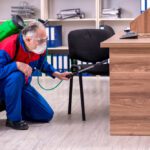
DIY treatment may not be appropriate for every situation. A nest positioned high above the ground, inside a wall, near an entrance, or in another difficult location can create unnecessary risks. Professional technicians have the equipment and experience needed to assess the infestation and determine an appropriate treatment strategy.
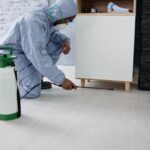
Professional Pest control services can also be useful when wasp activity continues after a nest has been removed. A technician can inspect the property for additional nesting sites and potential conditions that may encourage future infestations.
If you notice tiny insects around walls, windows, or outdoor surfaces, do not automatically assume they are wasps. Some homeowners may encounter small red bugs, which require an entirely different identification and treatment process.
Keep Your Aurora Property Protected
Paper wasps can usually be managed when a nest is identified early and handled appropriately. However, attempting to remove an active colony without proper preparation can result in unnecessary stings. Keeping people and pets away from the nest, identifying the nesting location, choosing an appropriate treatment, and focusing on prevention can help reduce the risk of future problems.
For larger colonies or nests located in challenging areas, professional pest control is often the safest and most practical choice. A qualified pest control team can inspect your Aurora property, identify the source of the activity, and recommend a suitable solution based on the location and severity of the infestation.
With regular inspections and good preventative practices, homeowners can make their properties less attractive to nesting insects and respond quickly when signs of an infestation appear.