
Discovering small insects around your home can be concerning, especially when they resemble bed bugs. One pest that is often mistaken for bed bugs is the bat bug. These small, blood-feeding insects are closely related to bed bugs and can become a problem when bats are nesting in or around a property. Although they do not usually live on humans, they may enter living areas when their preferred bat hosts are removed or leave the area.
Understanding how to identify these insects, where they come from, and how to remove the source is essential for effective pest management. If you suspect an infestation, early identification can help prevent the problem from becoming more difficult to control.
What Is a Bat Bug?
A bat bug is a small parasitic insect that primarily feeds on the blood of bats. It belongs to the same family as bed bugs and has a similar flattened, oval-shaped appearance. Adult insects are generally brownish in colour and become more reddish after feeding.
Because of their appearance, distinguishing a bat bug from a bed bug can be challenging without professional identification. Both pests can hide in cracks, crevices and other sheltered areas. However, their preferred hosts and behaviour are different.
Bat bugs are usually associated with bat colonies. They may be found in attics, wall voids, roof spaces and other locations where bats build nests. When bats leave or are removed from a building, these insects may move into nearby areas in search of another blood meal.
How Do Bat Bugs Get Into Your Home?
The presence of these insects is often linked to bats living in or around a property. Bats can enter buildings through small openings around roofs, vents, chimneys, eaves and other structural gaps. Once bats establish a roost, their parasites may also become established in the same area.
If the bats leave their roost, the insects may search for an alternative host. This can sometimes bring them into bedrooms, living spaces or other occupied parts of a home.
Common circumstances that may contribute to an infestation include:
- Bats nesting in an attic, roof cavity or wall void.
- Gaps or openings allowing bats to enter the structure.
- Removal of bats without addressing the associated parasites.
- Existing cracks and crevices providing hiding places.
Simply treating visible insects may not resolve the underlying problem if bats or their access points remain.
How to Identify Bat Bugs
Identifying these pests correctly is important because several household insects can look similar. A professional inspection may be necessary when visual identification is uncertain.
A typical insect may have a flattened body, six legs and a brown or reddish-brown appearance. It may also have tiny hairs along its body. Unlike many other household pests, these insects are strongly associated with bat roosting areas.
Look for signs such as insects around attic spaces, wall voids or areas where bats have previously been present. You may also notice bites or skin irritation, although bites alone cannot confirm the presence of this particular pest.
Homeowners sometimes confuse these insects with small red bugs because their colour can change after feeding. However, appearance alone should not be used to determine the species.
Bat Bugs vs Bed Bugs: What Is the Difference?
The biggest similarity between these pests is that both feed on blood and can look remarkably alike. This makes identification difficult for homeowners.
Bed bugs primarily feed on humans and are commonly found around mattresses, bed frames, furniture and other areas where people rest. Bat-associated species, on the other hand, depend mainly on bats as their natural hosts.
Another important difference is what happens after the host disappears. When bats abandon a roost, their parasites may wander into occupied parts of the building looking for another source of blood.
Because incorrect identification can lead to ineffective treatment, suspected infestations should be inspected carefully before choosing a pest control method.
Can Bat Bugs Bite Humans?
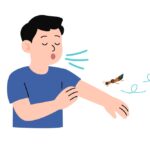
Although their preferred host is bats, these insects may bite humans when bats are unavailable. Their bites can cause itchy or irritated areas of skin, although some people may have little or no noticeable reaction.
It is important not to diagnose an infestation based solely on bites. Skin reactions can have many causes, including other insects and environmental irritants. For example, homeowners researching carpet beetle skin reactions may mistake an unrelated skin irritation for an insect bite.
If unexplained bites continue to appear and there is evidence of bats in or around the property, professional pest identification can help determine the actual cause.
Where Do Bat Bugs Hide?
These insects prefer dark, protected locations close to their host. In a property with bats, they may initially remain close to the roosting area. They can hide inside cracks, gaps, wall cavities, roof spaces and other undisturbed areas.
After bats leave, the insects may move further into the building. Bedrooms and living areas can become potential locations when the pests are searching for another blood source.
Regularly inspecting attics, roof cavities and other areas where bats may enter can help identify a potential problem before it spreads throughout the property.
How to Get Rid of Bat Bugs
Getting rid of an infestation requires more than simply killing the insects that are visible. The underlying source needs to be identified and addressed.
1. Locate and Address Bat Activity
The first step is determining whether bats are present or have recently occupied the property. Check attics, roof spaces, vents and other potential roosting locations for signs of bat activity.
Any bat exclusion work should be handled carefully and in accordance with applicable wildlife regulations. Sealing openings while bats are still inside can create additional problems.
2. Inspect Potential Hiding Areas
Once the source has been addressed, inspect areas where the insects may be hiding. Cracks, wall voids, attic spaces and areas surrounding previous bat roosts should receive particular attention.
Vacuuming accessible areas can help remove insects and debris, while washable fabrics should be cleaned appropriately. However, these measures alone may not eliminate an established infestation.
3. Use Professional Pest Treatment
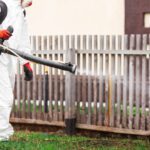
Professional pest management can help identify the insect species and determine the most suitable treatment approach. Technicians can inspect difficult-to-reach areas and apply targeted treatments where appropriate.
If you are searching for reliable Pest control aurora IL, choosing an experienced local provider can make it easier to address both the infestation and the conditions contributing to it.
How Can You Prevent Future Infestations?
Prevention starts with keeping bats and other unwanted wildlife from entering the structure. Inspect the exterior of your property regularly and look for gaps around rooflines, vents, chimneys, soffits and other openings.
It is also useful to maintain the condition of the building and promptly repair damaged screens, vents and structural openings. Attic and roof areas should be inspected if you notice signs of wildlife activity.
Homeowners should also avoid assuming that every small household insect is the same. Some insects, such as black beetles, have very different habits and require different control methods. Correct identification is therefore an important part of prevention and treatment.
When Should You Call a Pest Control Professional?
Professional assistance is recommended when you repeatedly find insects that resemble bed bugs, notice unexplained bites alongside evidence of bats, or discover insects around a previous bat roost.
A pest control technician can inspect the property, identify the pest and determine whether the infestation is connected to bats. Professional treatment may also be appropriate when insects have moved from an attic or wall cavity into occupied rooms.
It is important to avoid relying on random household insecticides without knowing what pest you are dealing with. Using the wrong product or applying it incorrectly may fail to resolve the infestation and can create unnecessary risks.
Other Household Pests Require Different Solutions
A home can experience several types of pest activity, and not every insect requires the same treatment. For instance, discovering a baby wolf spider does not mean you have the same type of infestation as one caused by blood-feeding insects. Learning the differences between common household pests can help homeowners respond appropriately.
When unusual insects continue appearing, professional identification is often the most effective starting point. This can prevent homeowners from spending time and money on treatments that are not designed for the pest involved.
Keep Your Aurora Home Pest-Free
A bat bug infestation is often connected to bats living or previously living inside a property. While these insects may resemble bed bugs and can occasionally bite humans, addressing the source of the problem is essential for long-term control.
Start by investigating potential bat activity, identifying where the insects are hiding and addressing structural entry points. Professional pest control can provide a more thorough inspection and targeted treatment when an infestation is suspected.
If you notice insects around an attic, roof cavity or previous bat roost, do not ignore the signs. Early identification and appropriate treatment can help protect your home and prevent the problem from becoming more difficult to manage.