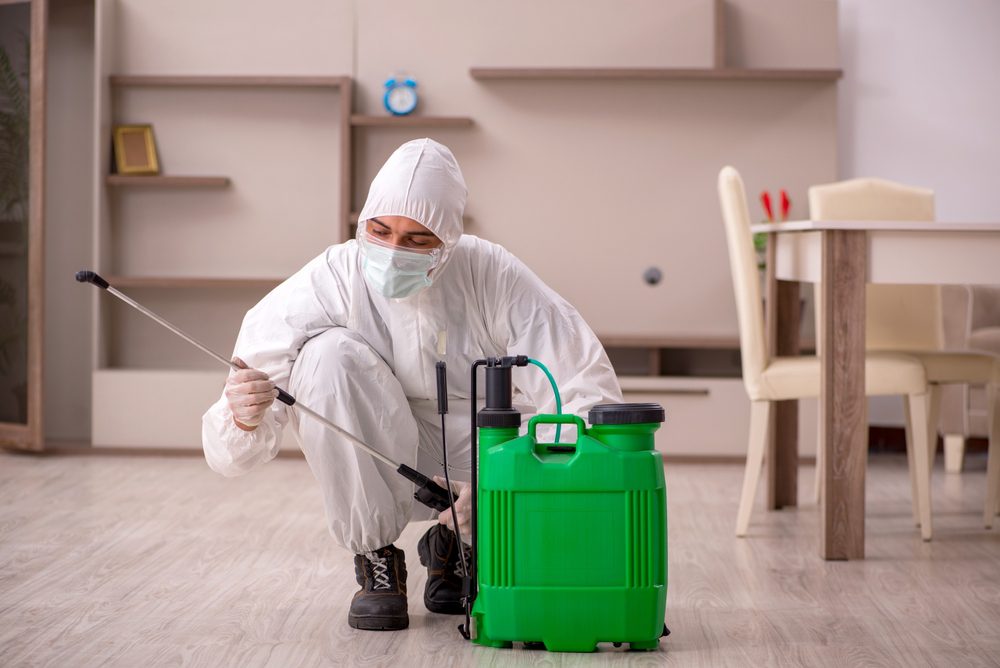
Ants are among the most common household pests, and once they find a reason to enter your property, they can quickly become a persistent problem. An ant infestation often starts with just a few ants scouting for food or water, but it can rapidly grow into a large colony invading kitchens, bathrooms, basements, and outdoor areas. Understanding what causes an ant problem is the first step toward preventing it and protecting your home.
Whether you notice a trail of ants across your countertop or discover nests around your property, identifying the factors that attract them can help you take effective action. In this guide, we’ll explore the most common causes of an ant infestation, warning signs to watch for, and practical ways to keep ants away.
Why Ants Invade Homes
Ants are constantly searching for resources that support their colonies. Food, water, and shelter are the primary reasons they enter residential and commercial properties. Even the smallest crumbs or moisture sources can attract worker ants that leave scent trails for the rest of the colony to follow.
Once ants discover a reliable food source, they continue returning to the same location. This behavior can turn a minor issue into a serious ant infestation if the colony remains undisturbed. Different species may be attracted to different conditions, but their basic needs remain the same.
Food Sources That Attract Ants
One of the leading causes of an ant infestation is easy access to food. Ants have a highly developed sense of smell and can detect food from surprising distances. Sweet, greasy, and protein-rich foods are particularly attractive.
Common food attractants include:
- Crumbs left on floors, countertops, or tables
- Unsealed food containers in kitchens and pantries
- Pet food left out for long periods
- Sticky spills from juice, soda, or syrup
- Overflowing garbage bins
Regular cleaning and proper food storage can significantly reduce the likelihood of an ant infestation developing inside your home.
Excess Moisture and Water Sources
Just like people and animals, ants need water to survive. Moist environments often attract certain ant species, especially during dry weather conditions. Leaking pipes, clogged gutters, damp basements, and standing water can all contribute to an ant infestation.
Bathrooms, laundry rooms, kitchens, and crawl spaces are common areas where moisture accumulates. Repairing leaks and improving ventilation can make your property less appealing to ants and other household pests.
When homeowners notice recurring pest activity despite cleaning efforts, professional pest control services can help identify hidden moisture issues and nesting sites contributing to the problem.
Easy Access Points Around the Property
Ants can enter through incredibly small openings. Tiny cracks in foundations, gaps around doors and windows, utility penetrations, and damaged weather stripping provide convenient entry points.
Many homeowners are surprised to learn that a severe ant infestation often begins with a nearly invisible crack. Once scout ants locate food or water inside, they establish pheromone trails that guide thousands of others into the building.
Regular inspections and sealing potential entry points can help reduce the risk of future infestations while improving overall home protection.
Outdoor Nesting Areas Near the Home
Ant colonies frequently establish nests outdoors before moving closer to structures. Landscaping features such as mulch beds, wood piles, tree stumps, and dense vegetation provide ideal nesting environments.
When colonies grow larger, worker ants expand their foraging territory and may enter nearby buildings. This can lead to an ant infestation indoors, particularly during periods of extreme heat, rain, or drought.
Some species, including the red ant, are known for building large colonies and aggressively defending their nests. Identifying ant species can help determine the most effective treatment strategy.
Seasonal Weather Changes
Weather conditions play a significant role in ant behavior. Heavy rainfall can flood underground nests, forcing ants to seek shelter indoors. Likewise, hot summer temperatures may drive ants inside in search of water.
During spring and summer, colonies become more active as they expand and search for resources. This seasonal activity often leads to an increase in reports of ant infestation problems throughout residential neighborhoods.
Monitoring seasonal pest activity and taking preventive measures early can help homeowners avoid larger infestations later in the year.
Poor Sanitation and Clutter
Cluttered environments provide ants with numerous hiding places and easy access to food sources. Boxes, paper stacks, stored items, and neglected areas can create ideal conditions for an ant infestation to thrive unnoticed.
In addition to clutter, inconsistent cleaning practices can contribute to ongoing ant activity. Areas behind appliances, under furniture, and inside cabinets are often overlooked during routine cleaning.
Maintaining a clean and organized environment reduces opportunities for ants to establish colonies indoors and helps make pest issues easier to detect.
Structural Issues That Encourage Ant Activity
Certain structural conditions can increase the likelihood of an ant infestation. Damaged wood, foundation cracks, roof leaks, and deteriorating seals provide shelter and access points for pests.
Carpenter ants, for example, are particularly attracted to moist or decaying wood. While they do not eat wood like termites, they tunnel through it to create nesting galleries, potentially causing structural damage over time.
Property owners should regularly inspect their buildings and address maintenance issues promptly to minimize pest-related risks.
Business owners face similar challenges, which is why many rely on commercial pest control programs to prevent infestations before they disrupt operations or damage their reputation.
How Ant Infestations Compare to Other Pest Problems
Many of the factors that attract ants can also attract other pests. Moisture issues, food availability, and structural gaps create favorable conditions for insects and rodents alike.
For example, homeowners researching the best mouse traps often discover that rodent problems are linked to the same sanitation and access issues that contribute to an ant infestation. Addressing these root causes helps improve overall pest management.
Likewise, stored food products and cluttered storage areas can attract various household pests beyond ants, making preventive maintenance essential.
Preventing an Ant Infestation
Preventing an ant infestation requires a combination of sanitation, maintenance, and proactive monitoring. While no method guarantees complete protection, consistent preventive measures can significantly reduce the chances of ants entering your property.
Consider the following prevention tips:
- Store food in airtight containers
- Clean up spills immediately
- Repair leaking pipes and faucets
- Seal cracks and gaps around the home
- Trim vegetation away from structures
- Keep garbage containers tightly closed
- Remove standing water whenever possible
These simple steps can make your home much less attractive to ants and other nuisance pests.
Homeowners looking into how to get rid of moths often find that the same principles of cleanliness and proper storage are equally effective for preventing ant problems.
When to Seek Professional Help
Sometimes an ant infestation becomes too large or persistent for DIY methods to resolve effectively. Large colonies, recurring infestations, and hidden nests may require specialized treatments and professional expertise.
Pest management professionals can identify ant species, locate nesting sites, and develop targeted treatment plans that address the root cause of the problem. This approach provides longer-lasting results compared to temporary over-the-counter solutions.
Conclusion
An ant infestation is usually caused by a combination of accessible food, moisture, shelter, and convenient entry points. Seasonal weather changes, outdoor nesting sites, clutter, and structural issues can all contribute to ant activity around your property. By understanding these causes and taking preventive measures, homeowners can significantly reduce the risk of infestations.
Regular maintenance, good sanitation practices, and early intervention remain the most effective ways to keep ants under control. If the problem persists despite your efforts, professional assistance can help eliminate colonies and restore a pest-free environment.