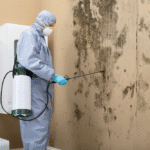

Spiders are common household pests that often hide in areas that are difficult to notice. While seeing a few webs around your home may not always indicate a serious issue, repeated spider sightings can point toward a hidden infestation. A professional spider exterminator understands spider behaviour, nesting patterns, and hiding locations to identify the source of the problem and provide effective solutions.
Unlike basic cleaning methods that only remove visible webs, trained pest control specialists inspect the entire property to locate spider activity. They look for signs such as egg sacs, web clusters, insect activity, and environmental conditions that attract spiders. By identifying these hidden nesting areas, a spider exterminator can apply targeted treatments and help prevent future infestations.
Understanding Where Spiders Build Their Nests
Spiders prefer quiet, undisturbed areas where they can easily find food and remain protected. Different spider species choose different locations depending on their habits, but most commonly create webs or hide in dark, sheltered spaces.
A professional spider exterminator knows that common nesting areas often include corners, cracks, storage spaces, basements, garages, attics, and areas around windows and doors. Outdoor areas such as sheds, gardens, fences, and piles of debris can also provide ideal conditions for spider activity.
During an inspection, experts carefully examine these locations to determine whether spiders are simply passing through or have established a breeding area. This helps them create a treatment plan based on the level of infestation.
Inspecting Hidden Areas During a Spider Inspection
A detailed inspection is one of the most important steps in spider removal. A spider exterminator does not only focus on visible webs but also searches for signs that indicate where spiders may be living.
Professionals typically check:
- Dark corners and ceiling areas where spiders create webs.
- Cracks, gaps, and small openings where spiders hide during the day.
- Storage boxes, furniture, and unused items that provide shelter.
- Outdoor entry points where spiders may enter the property.
Spiders often remain hidden because they are naturally cautious creatures. Experts use their knowledge of spider behaviour to locate areas that homeowners may overlook.
Identifying Spider Webs and Egg Sacs
Spider webs are one of the clearest signs of spider activity, but not all webs are easy to detect. Some spiders create small, irregular webs in hidden locations, while others build larger webs in open spaces.
A spider exterminator examines web patterns to understand the type of spider present and determine where it is likely nesting. Egg sacs are another important indicator because they show that spiders are reproducing inside or around the property.
Finding egg sacs early allows professionals to address the infestation before the spider population increases. Removing active nesting areas and treating surrounding spaces helps create longer-lasting protection.
Checking Conditions That Attract Spiders
Spiders usually enter properties because the environment provides food, shelter, and suitable conditions for survival. A skilled spider exterminator looks beyond the spiders themselves and identifies factors that encourage their presence.
Common causes of spider activity include:
- Excess moisture in basements, bathrooms, or outdoor areas.
- Cluttered spaces that provide hiding spots.
- Gaps around windows, doors, and foundations.
- High insect activity that provides a food source.
Reducing these attractants is an important part of effective spider management. When the conditions that support spiders are corrected, the chances of recurring infestations are significantly reduced.
Finding the Source of Spider Infestations
Simply removing visible spiders does not always solve the problem. A spider exterminator focuses on finding the source of the infestation rather than only treating the symptoms.
Professionals inspect areas where spiders may enter, hide, and reproduce. They also check for other pest activity because spiders often appear where other insects are present. For example, properties with a high insect population may naturally attract more spiders searching for food.
Working with experienced Pest control aurora IL can help homeowners receive a complete inspection and customized treatment approach. These specialists identify pest-related issues throughout the property and recommend solutions based on the specific infestation.
Why Professional Spider Identification Matters
Different spider species require different treatment methods. Some spiders are harmless, while others may pose health concerns due to their bites. Correct identification helps determine the most effective approach for removal.
A professional spider exterminator has the training and tools required to recognize common spider species and understand their nesting behaviours. This knowledge allows them to select suitable treatments while minimizing risks to families and pets.
Professional identification also helps prevent unnecessary treatments. Instead of applying random solutions, experts focus on the areas where spiders are most active.
Preventing Future Spider Nesting Areas
After removing existing spiders, prevention plays a major role in keeping properties protected. A spider exterminator may recommend simple maintenance steps to reduce the chances of future activity.
These measures can include:
- Sealing cracks and gaps around the property.
- Removing clutter from storage areas.
- Keeping outdoor areas clean and maintained.
- Reducing insect problems that attract spiders.
- Regularly checking hidden areas for early signs of activity.
Maintaining a clean and well-sealed property makes it harder for spiders to establish nesting areas.
Addressing Other Pests That May Attract Spiders
Spiders are predators that often move into areas where other insects are available as a food source. Managing other pest problems can therefore help reduce spider activity around your home.
For example, properties experiencing issues with army ants may attract more spiders because increased insect movement creates additional feeding opportunities. Addressing these pest concerns can support a more effective spider prevention strategy.
Similarly, outdoor pest activity involving Paper Wasps can indicate conditions that attract various insects around your property. Managing these issues helps maintain a healthier and more balanced environment.
Creating a Long-Term Pest Protection Plan
A one-time spider treatment may not always be enough if the conditions supporting spider activity remain unchanged. A long-term pest management plan focuses on prevention, monitoring, and regular inspections.
A spider exterminator can help homeowners understand the reasons behind recurring spider problems and provide recommendations to reduce future risks. Professional treatments combined with proper property maintenance offer better protection compared to temporary solutions.
Other outdoor pests, such as lantern flies, can also contribute to increased insect activity around homes. Preventing different pest problems together helps create a more effective approach to overall property protection.
Choose Professional Help for Hidden Spider Problems
Hidden spider nests can be difficult to locate without proper knowledge and experience. While homeowners may remove visible webs, the actual nesting areas can remain unnoticed and allow the problem to continue.
A trained spider exterminator uses detailed inspections, pest knowledge, and targeted treatments to identify and eliminate spider hiding spots. Professional services help protect homes from recurring infestations while ensuring treatments are applied safely and effectively.
If spider activity continues despite regular cleaning and preventive efforts, professional assistance can provide a reliable solution. Addressing the issue early helps maintain a safer, cleaner, and more comfortable living environment.
In addition to spiders, properties may experience other pest concerns such as Bat Bugs, which require proper identification and treatment methods. A complete pest management approach ensures that different threats are handled effectively while preventing future infestations.