Ant infestations are one of the most common pest problems faced by homeowners and businesses. While ants may seem harmless at first, they can quickly multiply and create serious issues in kitchens, walls, gardens, and even structural areas of a property. This is where a professional ant exterminator becomes essential. With the right expertise, tools, and treatment methods, an exterminator can identify the root cause of the infestation and eliminate it effectively.
For residents and businesses in Aurora, working with a trained pest control professional ensures that ant problems are handled safely and efficiently, preventing future infestations and protecting your property.
Understanding the Role of an Ant Exterminator
An ant exterminator is a pest control specialist trained to detect, treat, and prevent ant infestations. Their work goes beyond simply spraying chemicals. Instead, they follow a strategic process to identify the type of ants present, locate their nests, and apply targeted treatments that eliminate entire colonies.
Because different ant species behave differently, professional exterminators customize their approach depending on the situation. For example, the treatment plan for sugar ants may differ from the strategy used for more destructive species like Carpenter Ants, which can damage wooden structures over time.
By understanding the habits of various ant species, exterminators ensure that the infestation is resolved at its source rather than temporarily reduced.
Inspection and Identification of the Problem
The first step an ant exterminator takes is conducting a thorough inspection of the property. This allows them to determine the extent of the infestation and identify the species involved.
During the inspection, professionals typically:
- Examine kitchens, bathrooms, basements, and entry points where ants commonly enter.
- Look for trails, nests, and food sources that attract ants.
- Check wall voids, foundations, and outdoor areas for colonies.
- Identify moisture issues or structural gaps that may contribute to infestations.
Accurate identification is important because each ant species requires a specific treatment method. For instance, wood-damaging ants such as Carpenter Ants often build nests inside wooden structures, making early detection critical for preventing structural damage.
Creating a Customized Treatment Plan
After identifying the problem, the ant exterminator develops a customized treatment plan tailored to the property and infestation level.
Instead of relying on a single solution, pest control professionals use a combination of techniques designed to eliminate ants at every stage of their life cycle. These may include:
- Baiting systems: Strategic placement of bait that worker ants carry back to the colony, eliminating the entire nest.
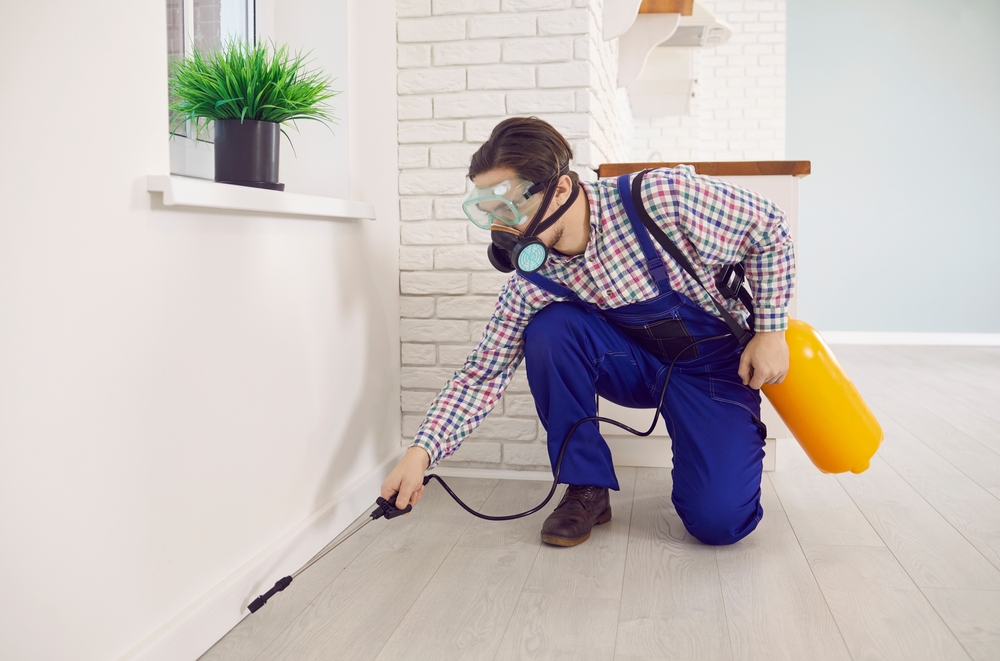
- Targeted insecticide treatments: Application of safe, professional-grade products to high-activity areas.
- Barrier treatments: Creating protective zones around the home to prevent ants from entering.
- Nest removal: Direct treatment of ant colonies found indoors or outdoors.
This comprehensive approach ensures long-term results rather than temporary relief.
Eliminating Ant Colonies
One of the most important tasks of an ant exterminator is eliminating the entire colony, not just the visible ants. Killing individual ants without addressing the queen and nest will usually result in the infestation returning.
Professional exterminators focus on:
- Locating the primary nest and satellite colonies.
- Using baiting systems to reach hidden nests.
- Applying treatments that target the queen and larvae.
- Monitoring the colony activity to ensure full elimination.
This targeted strategy helps stop the reproductive cycle of ants, preventing the infestation from spreading further throughout the property.
Preventing Future Ant Infestations
Beyond removing the current problem, a professional ant exterminator also helps prevent future infestations. Long-term pest control requires addressing the factors that attract ants in the first place.
Exterminators often provide recommendations such as:
- Sealing cracks and gaps around doors, windows, and foundations.
- Keeping food stored in airtight containers.
- Eliminating standing water or excess moisture around the home.
- Maintaining proper sanitation in kitchens and garbage areas.
In some cases, other pest issues around the property may also need attention. For example, outdoor pest activity such as wasps can contribute to an overall pest-friendly environment, making services like Wasp Nest Removal important for maintaining a pest-free home.
Using Safe and Eco-Friendly Methods
Modern pest control companies prioritize safety while delivering effective results. A professional ant exterminator uses environmentally responsible products and techniques designed to minimize risk to families, pets, and the surrounding ecosystem.
Some of the safety measures professionals follow include:
- Applying targeted treatments instead of widespread chemical spraying.
- Using eco-friendly and low-toxicity pest control products.
- Following strict safety guidelines and industry regulations.
- Providing clear instructions for homeowners after treatment.
This ensures that ant problems are resolved without compromising the health of those living or working in the space.
Follow-Up Monitoring and Maintenance
Another important responsibility of an ant exterminator is monitoring the effectiveness of the treatment. Ant infestations can sometimes require follow-up visits to ensure complete elimination.
During these visits, exterminators may:
- Reinspect the property for any remaining activity.
- Adjust bait placements if needed.
- Reinforce protective barriers around the home.
- Provide additional prevention recommendations.
Regular monitoring ensures that the infestation does not return and that the property remains protected over time.
Why Hiring a Professional Ant Exterminator Matters
While many DIY solutions promise quick results, they often fail to address the root cause of the problem. Store-bought sprays may kill visible ants, but they rarely eliminate the colony itself.
Hiring a professional ant exterminator offers several advantages:
- Accurate identification of ant species
- Long-lasting treatment solutions
- Safe and eco-friendly pest control methods
- Prevention strategies to stop future infestations
Professionals have the experience and equipment needed to handle infestations efficiently, saving homeowners time, stress, and potential property damage.
Final Thoughts
Ant infestations can quickly become overwhelming if not handled properly. A trained ant exterminator provides the expertise needed to locate colonies, eliminate infestations, and prevent ants from returning.
Through detailed inspections, customized treatment plans, and preventive strategies, professionals pest control services help protect homes and businesses from recurring pest problems. By addressing both the current infestation and the conditions that attract ants, they ensure long-term relief and peace of mind.
If you notice signs of ant activity in your home or business, contacting a professional exterminator early can make all the difference in maintaining a clean, safe, and pest-free environment.